Experimental Data on Particle Size Stability of Carbon Black Paste with DS Series Dispersants
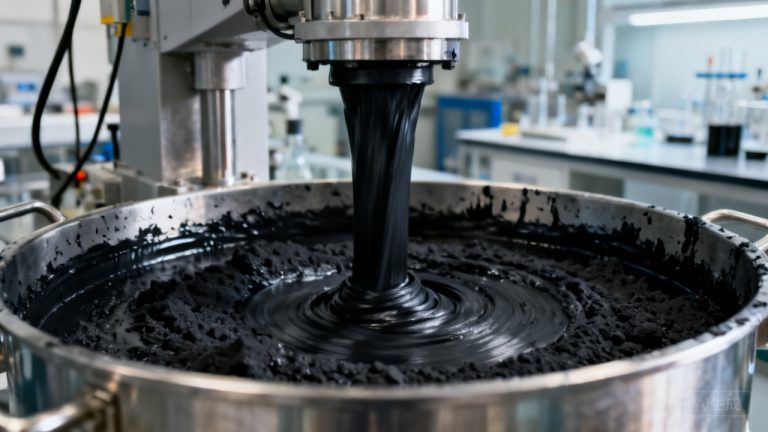
This experiment uses the same waterborne carbon black paste formulation, fixes the pigment content and resin system, replaces only the dispersant, and sets three dosage gradients to investigate particle size distribution (D50), grinding viscosity and particle size change after 7 days of storage.
Experimental Conditions
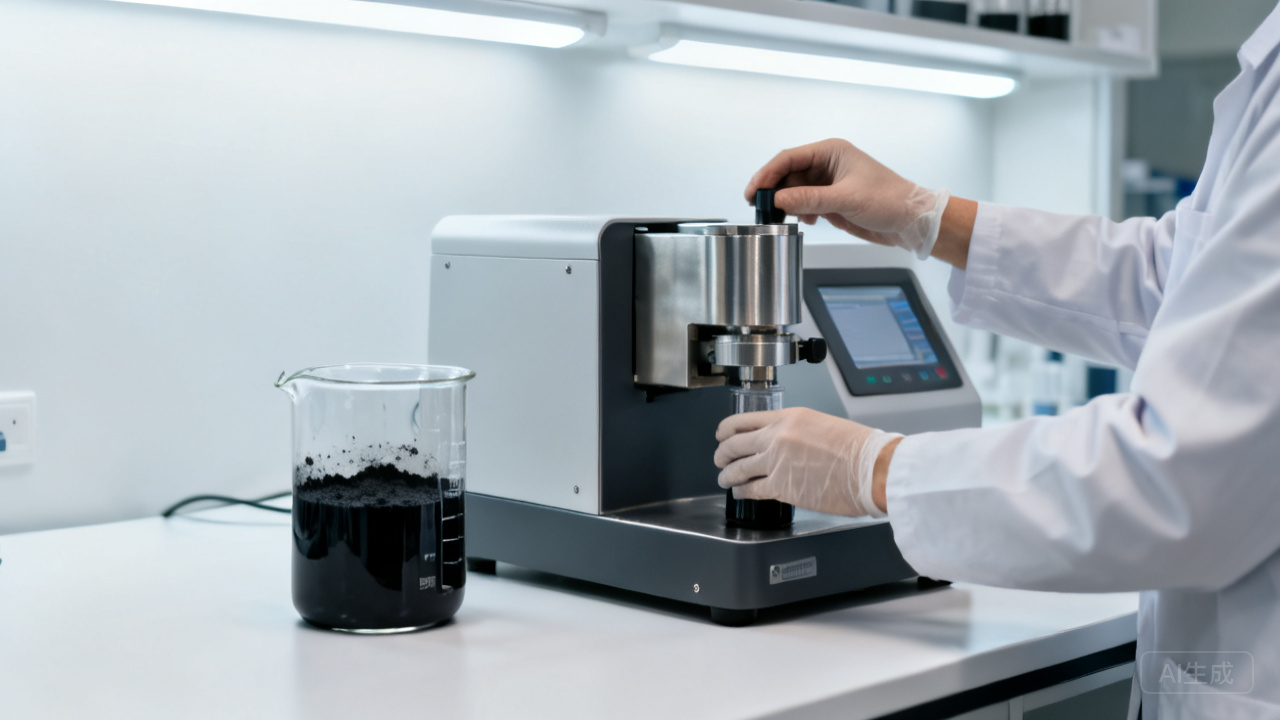
Pigment: waterborne carbon black; dispersant dosage: 5%/10%/15% of pigment; grinding equipment: sand mill; testing: laser particle size analyzer plus viscometer.
Particle Size Data (D50, μm)
| Dispersant | 5% | 10% | 15% |
|---|---|---|---|
| DS-192N | 0.42 | 0.28 | 0.26 |
| DS-197 | 0.55 | 0.38 | 0.35 |
| DS-258 | 0.61 | 0.45 | 0.42 |
7-Day Storage Stability
DS-192N at 10% dosage showed a D50 change of less than 5% after 7 days, the most stable; DS-197 followed; DS-258, as a general-purpose type, was acceptable but less stable than the specialized types.
Related Products
DS-192N (for carbon black, best stability), DS-197 (for organic pigments), DS-258 (general-purpose grinding dispersion).