Total Solution for Surface Defects in Waterborne Architectural Coatings
1. Surface Technical Challenges in the Waterborne Transition of Architectural Coatings
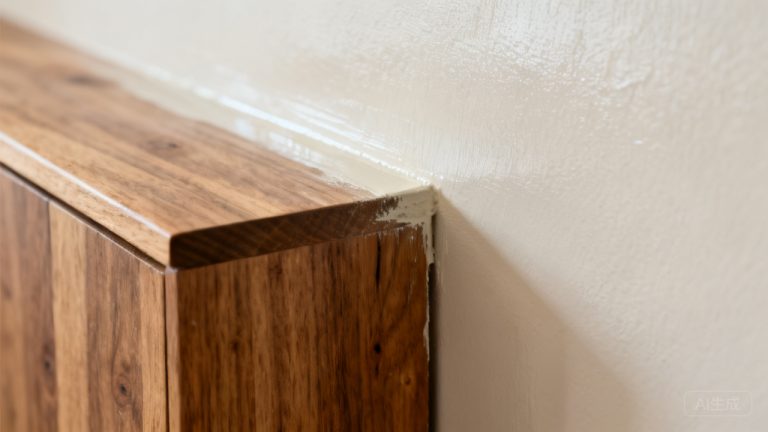
The architectural coatings industry is undergoing profound technological change. As environmental regulations tighten and consumer health awareness grows, waterborne architectural coatings have come to dominate the market, with the waterborne conversion rate of subcategories such as interior wall emulsion paints, exterior elastomeric coatings, texture paints, and multicolor stone-imitation coatings all exceeding 80%. However, the introduction of waterborne systems has brought new technical challenges — wetting difficulties caused by higher surface tension, the balance between bubble control and leveling, and the prevention of appearance defects such as craters and fisheyes — which have become core issues that formulators must confront directly.
Compared with solvent-borne systems, water has a surface tension as high as 72 dyn/cm (20 ℃), far higher than most organic solvents. This physical property makes waterborne coatings more prone to poor substrate wetting during application — the coating cannot spread effectively over substrates such as walls, tiles, and metal fittings, forming defects such as craters and fisheyes. At the same time, the bubble problem in waterborne systems is equally prominent: air entrained during high-speed mixing, pumping, and spraying is difficult to dissipate, directly affecting coating appearance and protective performance. Even more challenging is the functional conflict that often exists between conventional defoamers and wetting agents — excessive defoamer can cause craters and poorer leveling, while highly wetting surfactants pursued for excellent leveling can in turn aggravate bubble stability.
According to industry statistics, about 40% of architectural coating complaints relate to film appearance defects, with bubble pinholes, craters and fisheyes, and poor leveling ranking as the top three. This situation drives formulators to continually seek more complete additive combination solutions.
2. Mechanism and Technical Advantages of the Acetylenic Diol Gemini Structure
The core chemical backbone of acetylenic diol surfactants is 2,4,7,9-Tetramethyl-5-decyne-4,7-diol (CAS 126-86-3). Its molecular structure contains one carbon-carbon triple bond, with a diol group attached at each end, forming a distinctive “gemini-type” symmetric configuration. This structure endows this class of additives with three core capabilities.
Rapid dynamic wetting capability. Acetylenic diols have a small molecular weight (about 210 g/mol) and a compact molecular structure, enabling them to migrate rapidly to freshly formed interfaces under application conditions such as spraying, roller coating, and brushing. Research data show that the static surface tension of a 0.1% aqueous solution at 25 ℃ is 32.8 dyn/cm, while the dynamic surface tension (at 6 bubbles/s) is only 33.3 dyn/cm, a difference of less than 0.5 dyn/cm, demonstrating excellent “dynamic-static balance”. This means acetylenic diol additives maintain efficient wetting under high-speed application conditions, effectively resolving the interfacial tension imbalance between the coating and the substrate.
Unstable-foam suppression characteristics. Acetylenic diol molecules are loosely arranged at the gas-liquid interface, and the foam films they form have low elasticity and rupture easily. This property gives them dual foam-suppression and deaeration functions, without introducing foam-stabilization risks or causing film cratering as some silicone defoamers do. At the same time, acetylenic diols are APEO-free and comply with current environmental regulations, offering a clear compliance advantage in the green-label-oriented architectural coatings market.
Promoting flow and leveling. By moderately lowering the surface tension of the coating, acetylenic diol additives improve the wetting and spreading of the coating on the substrate surface, promote film flow and leveling before curing, and reduce surface defects such as orange peel and ripple.
3. Toynol® Additive Product Matrix and Differentiated Positioning
Tianjin Hi-Perferal Advanced Materials Co., Ltd. has developed a complete Toynol® additive product line based on its acetylenic diol technology platform, covering various application scenarios in architectural coatings. The technical positioning and core parameters of the main products are as follows.
| Product Model | Chemical Type | Core Function | Surface Tension (0.1% solution) | Typical Application |
| FS-204 | 2,4,7,9-Tetramethyl-5-decyne-4,7-diol | Dual wetting + foam control | Static 32.8 dyn/cm; dynamic 33.3 dyn/cm | General-purpose, suitable for all types of architectural coatings |
| FS-620 | Acetylenic diol polyether | Foam-control wetting | Low-foam properties, foam control first | Texture paints, multicolor coatings, putties, etc. |
| Superwet-320 | Modified acetylenic diol | Low-foam wetting | Low dynamic surface tension | Emulsion paints, exterior elastomeric coatings |
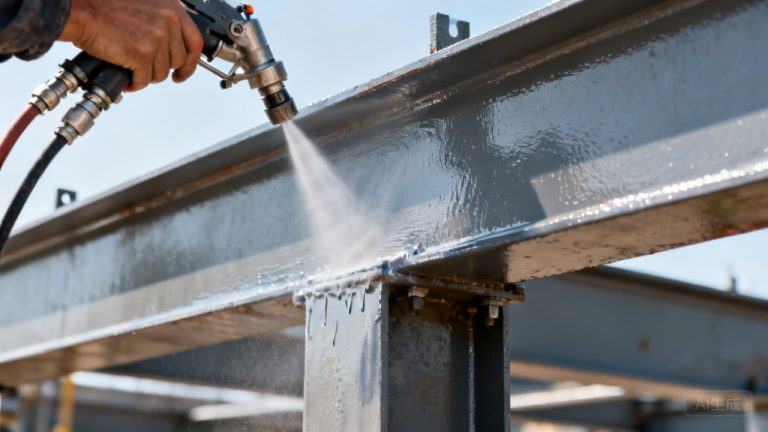
| Superwet-604 | Modified acetylenic diol | High-efficiency low-foam wetting | Rapid migration | Metal anti-corrosion coatings, primers |
| BWA-930 | Compounded acetylenic diol derivative | Substrate wetting | Static 36.5 mN/m, foam dissipates in 300 s | Wetting of low-surface-energy substrates |
| DF-80D | Acetylenic diol gemini-type structure | High-efficiency defoaming | Rapid bubble breaking, long-lasting foam suppression | Topcoats with strict appearance requirements |
FS-204, as a classic product in the Toynol® series, is the first choice for architectural coating formulations thanks to its “one additive, dual effect” characteristics. It has an active matter content of ≥98% and appears as a white to light-yellow waxy solid, and is suitable for all types of waterborne architectural coatings. The recommended dosage is 0.3%-0.5% of the total formulation, with significant improvements in craters and bubbles in emulsion paint systems.
FS-620 is positioned as a “foam-control wetting agent” and performs excellently in heavily pigmented systems such as texture paints and multicolor stone-imitation coatings. Its strong foam-suppression capability effectively controls bubbles generated by colored-sand friction during texture paint application, while also addressing substrate wetting needs.
The Superwet series (including Superwet-320, Superwet-604, etc.) focuses on “high-efficiency low-foam wetting” and is widely used in scenarios such as exterior elastomeric coatings and metal anti-corrosion primers. These products migrate rapidly to the interface and lower dynamic surface tension while maintaining low-foam properties, avoiding the introduction of new bubble problems.
BWA-930, as a compounded acetylenic diol derivative product, focuses on the challenge of wetting low-surface-energy substrates. When applied over substrates such as renovated old walls, renovated tile surfaces, and plastic fittings, BWA-930 significantly reduces the contact angle and improves the adhesion of the coating to the substrate.
DF-80D is a high-efficiency defoamer developed specifically for high-appearance-requirement scenarios. Its gemini-type structure gives it the dual capability of rapid bubble breaking and long-lasting foam suppression, effectively eliminating micro-bubbles generated by high-speed mixing and pumping and helping avoid defects such as pinholes and craters in the film.
4. Multi-Product Synergy Formulation Strategies and Practical Recommendations
In actual formulation design, the Toynol® additive series can be flexibly combined to address the technical challenges of different architectural coating systems.
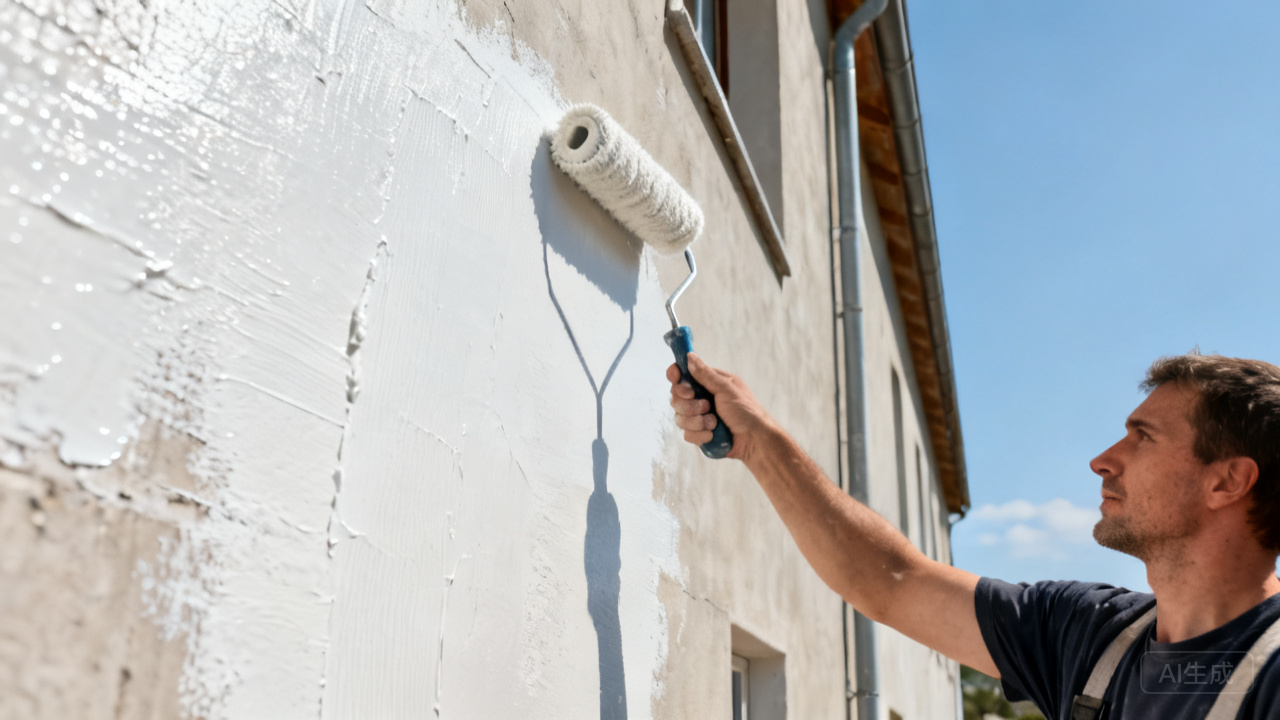
Interior wall emulsion paint systems. FS-204 or Superwet-320 is recommended as the first choice, combined with DF-80D defoamer for complete bubble control. A typical formulation is: FS-204 at 0.3%-0.5% (based on total formulation), DF-80D at 0.1%-0.3%. This combination effectively resolves bubble problems during application while improving the wetting and leveling of the coating on walls and reducing crater and orange-peel defects.
Texture paint / multicolor coating systems. These systems have a high pigment and filler content (typically above 60%), making the bubble problem especially prominent. The foam-control advantage of FS-620 is fully leveraged in such systems. The recommended FS-620 dosage is 0.3%-0.8%, and a small amount of DF-80D may be compounded as needed to enhance control of micro-bubbles.
Application on low-surface-energy substrates. When applying over low-surface-energy substrates such as metal substrates, plastic fittings, and old tiles, the combination of BWA-930 with Superwet-604 is recommended. BWA-930 provides strong initial wetting capability, while Superwet-604 maintains dynamic wetting during application.
Exterior elastomeric coating / metal anti-corrosion systems. Superwet-604 or Superwet-340 is recommended as the primary choice, combined with FS-204 to achieve a balance between wetting and foam control. This combination maintains excellent leveling while effectively suppressing bubble formation during application.
In terms of addition, acetylenic diol additives are recommended to be added after other surfactants and polymers to ensure full dissolution and dispersion; they should also be added before pigments and fillers to wet the system in advance and suppress mixing-induced foaming. If the product solidifies at low temperature, it can be melted by heating to 30-40 ℃ before use without affecting performance.
5. Development Trends and Industry Outlook for Acetylenic Diol Additives
Acetylenic diol surfactants, with their unique gemini structure, have established a broad technical application foundation in waterborne architectural coatings. According to industry data, acetylenic alcohol additives account for about 40% of the domestic waterborne coating additives market, with an annual market size of several billion yuan.
In terms of technological evolution, this class of additives is advancing along three dimensions: first, improving product water solubility and HLB adaptability through alkoxylation modification; second, developing customized products for niche architectural coating scenarios (reflective insulation coatings, antimicrobial coatings, building-integrated photovoltaics, etc.); and third, combining with bio-based materials to explore low-carbon, environmentally sustainable development pathways.
For architectural coatings companies, a deep understanding of the mechanism of acetylenic diol additives, together with flexible selection of different models from the Toynol® product matrix based on their own product characteristics, is an effective path to improving formulation competitiveness and solving surface defect problems. Against the backdrop of continuously tightening environmental policies, acetylenic diol additives, which combine performance advantages with regulatory compliance, will play an increasingly critical role in the future waterborne transition of architectural coatings.