Waterborne Carbon Black Paste Dispersant Selection Guide: Comparing DS-192N and DS-172
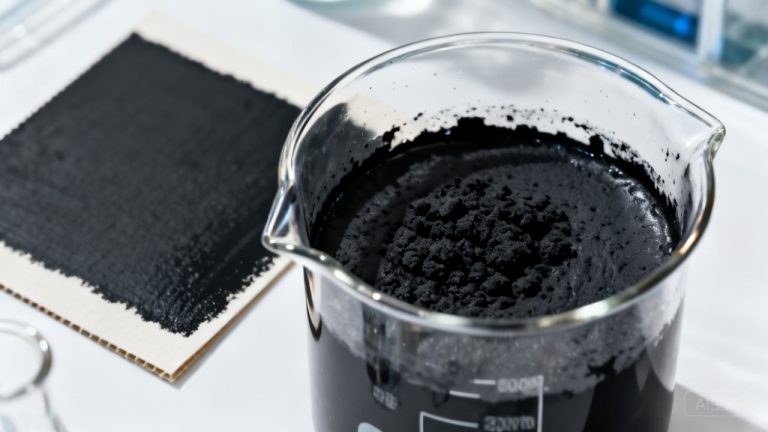
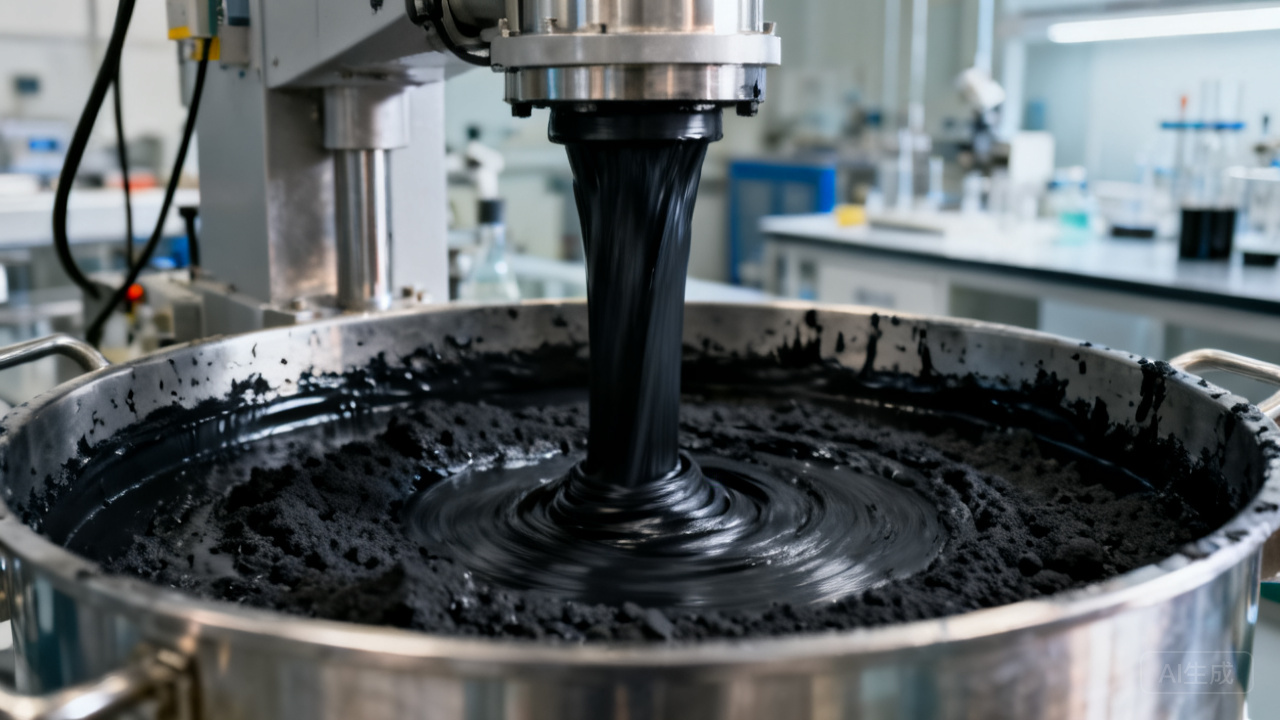
Carbon black is one of the most difficult pigments to disperse in waterborne color pastes, with high structure and strong adsorption placing stringent demands on dispersants. Improper selection leads to incomplete dispersion, viscosity surge and storage re-agglomeration.
Conventional vs Conductive Carbon Black
Conventional carbon black (such as pigment black) pursues jetness and tinting strength, while conductive carbon black (such as acetylene black) pursues high structure and high conductivity. The two have different dispersant requirements: the former emphasizes dispersion fineness, while the latter emphasizes preserving the carbon black structure from excessive shear damage.
Selection Recommendations
DS-192N is designed for conventional carbon black, with high grinding efficiency and good storage stability; DS-172 is designed for conductive carbon black, achieving good dispersion while maintaining conductivity. For general scenarios, DS-260 can serve both purposes.
Key Process Points
Add the dispersant before the pigment; adjust the dosage according to pigment oil absorption and specific surface area, typically 5-20% of the pigment. Avoid excessive shear after grinding to the required fineness.
Related Products
DS-192N (for carbon black), DS-172 (for conductive carbon black), DS-260 (high-efficiency general purpose).