Corrosion Prevention During AZ31 Magnesium Alloy Machining: Understanding and Solving White Spot Issues
One-sentence conclusion: White spots on AZ31 magnesium alloy result from localized corrosion of the magnesium matrix in machining fluid, with corrosion products (magnesium hydroxide / basic magnesium carbonate) accumulating as white powdery patches. The solution lies in “controlling chloride ions and pH of the machining fluid + adding a magnesium-alloy-specific corrosion inhibitor + timely cleaning and drying after machining.” Vanconol® MGR-83 (chromium-free, eco-friendly) and ALI-910 are designed for aluminum-magnesium systems; actual effectiveness should be verified through small-scale testing under real working conditions.
1. Why Is AZ31 Magnesium Alloy Prone to White Spots?
AZ31 is a widely used wrought magnesium alloy (Al 3%, Zn 1%), valued for its low density and high specific strength in 3C, automotive lightweighting, and aerospace applications. Its inherent drawback is poor corrosion resistance:
- Very negative electrode potential: Magnesium has a standard electrode potential of about −2.37 V, making it one of the most active common metals—highly susceptible to anodic dissolution in aqueous media.
- Micro-galvanic corrosion: Second phases (e.g., Al-Mn phases) have different potentials from the magnesium matrix, forming micro-cells that preferentially corrode the matrix.
- Chloride attack: Chloride ions from machining/cutting fluids destroy the natural oxide film on magnesium, accelerating pitting corrosion.
- Product accumulation forming white spots: Corrosion products (Mg(OH)₂, basic magnesium carbonate) are porous, poorly adherent, and accumulate as white powder/frost on the surface—more visible after drying.
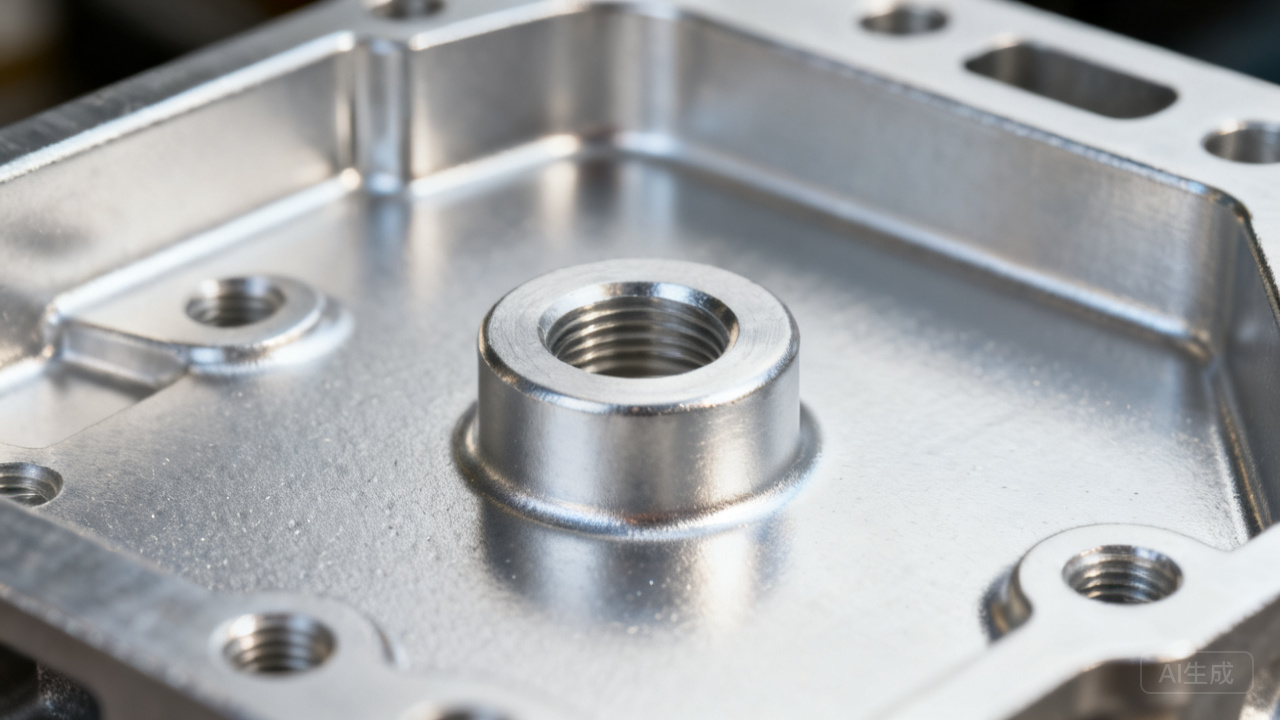
Typical scenarios: white spots on workpieces after milling/cutting, white powder appearing during storage, white residues remaining after cleaning, and corrosion pits found prior to anodizing pretreatment.
Importance: White spots are not just an appearance issue—they indicate ongoing base metal corrosion, which reduces dimensional accuracy, impairs adhesion in subsequent surface treatments (anodizing/spraying), and can lead to batch rejection in severe cases.
2. Mechanism of White Spot Formation on Magnesium Alloys
White spots = corrosion of the magnesium matrix + accumulation of corrosion products. The machining fluid environment (chloride ions, pH, temperature) serves as the external factor; magnesium’s reactivity is the internal factor. Corrosion inhibitors function by forming a protective film on the magnesium surface, effectively “suppressing” corrosion.
3. Corrosion Prevention Strategy for Magnesium Alloy Machining
3.1 Machining Fluid Management (Foundation Layer)
- Control chloride ions: Machining fluids for magnesium alloys should avoid chlorine-containing additives. Regularly monitor chloride content (low-chloride or chlorine-free systems recommended).
- pH control: Magnesium corrodes at a lower rate in the alkaline range (pH 8.5–11); maintain stable alkaline pH and avoid acidification.
- Timely cleaning and drying: After machining, clean promptly to remove residual fluid, then dry and store. Avoid stacking wet parts.
- Replacement schedule: As fluids age, chloride ions concentrate and pH drifts; replace according to a scheduled testing and replacement plan.
3.2 Corrosion Inhibitor Selection (Protective Layer)
Vanconol® MGR-83 (Chromium-Free, Eco-Friendly Magnesium Alloy Corrosion Inhibitor)
- Designed for magnesium alloy systems; chromium-free formulation with good environmental compliance.
- Third-party reports indicate that, at 0.6% addition in a 50% ethylene glycol system, it provides 7-day protection for AZ91D magnesium alloy (surface shows slight dulling and darkening but retains good protection)—this data is from published reports; for actual use, refer to Hi-Perferal’s TDS and real-condition testing.
- Applications: magnesium alloy cutting fluids, antifreeze/coolant systems, post-machining in-process rust protection.
Vanconol® ALI-910 (Aluminum-Magnesium Alloy Corrosion Inhibitor)
- Suitable for aluminum and aluminum-magnesium alloy systems (e.g., cutting fluids, cleaning fluids).
- Can be evaluated in combination with the MGR series; select based on system compatibility.
- Specific performance parameters are subject to the official product page/TDS.
Vanconol® MGR-82/83 Series Note: The official public description states they are chromium-free composite magnesium alloy corrosion inhibitors. Corrosion inhibition rates after 24-hour saltwater immersion should be verified against the official TDS data. Responses vary in different machining fluid systems (emulsifiable, semi-synthetic, full-synthetic); small-scale testing with actual formulations is required for validation.
3.3 Verification Methods
- Machining fluid immersion test: Immerse workpieces/coupons in the target fluid (e.g., 24h/72h); observe white spots and weight loss; calculate corrosion inhibition rate.
- Stacked storage test: Simulate post-machining stacking to evaluate inter-process rust protection.
- Actual production tracking: Conduct small-batch trial machining; monitor white spots on machined surfaces, dimensional accuracy, and subsequent surface treatment outcomes.
- Data recording: Record corrosion inhibition rate, surface condition, corrosion depth, etc., according to TDS test conditions, and compare with blank controls.
Selection tip: Academic studies (e.g., Journal of Chinese Society for Corrosion and Protection) have reported that compounds such as SDDTC, alloxan, and sodium phosphate provide corrosion inhibition for AZ31B magnesium alloy in NaCl solution (typical test condition: 88°C, 50% ethylene glycol aqueous solution). These academic approaches may serve as formulation inspiration but are not directly equivalent to commercial industrial inhibitors. Engineering selection must be based on measured data from actual usage.
4. Application Precautions and Common Pitfalls
- White spots ≠ oil contamination: White spots are corrosion products—not removable by plain water or ordinary cleaners. They require acidic cleaning (use with caution; improper acid pickling can worsen corrosion) or a specialized magnesium alloy cleaner.
- Corrosion inhibitors are not a cure-all: When machining fluid has excessively high chloride ions or uncontrolled pH, inhibitor performance drops significantly—first manage the fluid, then consider inhibitors.
- Chromium-free ≠ harmless: MGR-83 is chromium-free and more eco-friendly, but still requires handling per SDS guidelines; waste treatment must comply with local environmental regulations.
- Do not mix inhibitors for aluminum and magnesium: Inhibitors designed for aluminum may not suit magnesium alloys. Magnesium alloy inhibitors (e.g., MGR series) are formulated specifically for magnesium systems; ensure correct selection.
- Pretreatment compatibility: If subsequent anodizing or chemical polishing is planned, residual inhibitor may affect the coating layer; evaluate the cleaning process transition.
Frequently Asked Questions (FAQ)
Q1: What causes white spots on AZ31 magnesium alloy after machining?
A: It is primarily due to corrosion of the magnesium matrix in the machining fluid (micro-galvanic corrosion + chloride attack). Corrosion products (magnesium hydroxide/basic magnesium carbonate) accumulate as white powdery spots. High chloride levels or improper pH in the fluid aggravate the issue.
Q2: How to remove white spots from magnesium alloy?
A: Plain water cannot remove them (they are corrosion products, not oil). Use a dedicated magnesium alloy cleaner or weak acid solution. However, improper acid pickling can worsen corrosion; test on a small area first to confirm the process before bulk treatment.
Q3: What corrosion inhibitor should be added to magnesium alloy cutting fluid?
A: Select a magnesium-alloy-specific inhibitor (e.g., Vanconol® MGR-83, chromium-free eco-friendly type). Additionally, ensure the machining fluid is low-chloride and maintains stable alkaline pH. The exact inhibitor grade and dosage should be validated through small-scale testing based on the actual fluid formulation; refer to the TDS.
Q4: Can machining fluid prevent white spots on magnesium alloy?
A: Yes, but it requires a combination of “machining fluid management + corrosion inhibitor”: controlling chloride and pH is the foundation; the inhibitor forms a protective film on the surface to provide extra protection—both are essential.
Q5: Is the corrosion inhibition data for MGR-83 reliable?
A: Published reports indicate that at 0.6% addition in a 50% ethylene glycol system, it provides 7-day protection for AZ91D. For practical use, please rely on Hi-Perferal’s official TDS data and verification under your actual working conditions.
Key Conclusions
- White spots on AZ31 = corrosion of magnesium matrix + product accumulation; internal factor = magnesium reactivity; external factors = chloride ions, pH, temperature in machining fluid.
- Three-pronged approach to prevent white spots: low-chloride alkaline machining fluid + magnesium-alloy-specific inhibitor (MGR-83/ALI-910) + timely cleaning and drying after machining.
- Effectiveness of inhibitors must be verified through small-scale testing under actual working conditions; third-party academic solutions are for formulation reference only.
- Chromium-free inhibitors (MGR series) offer environmental compliance, but their use and waste disposal must follow SDS guidelines.