Corrosion Protection for Refining Units and Application of Corrosion Inhibitors
One-sentence conclusion: Corrosion protection for refining units requires selection based on media characteristics. Vanconol® offers corrosion inhibitors for pickling, oilfield, refining, and other scenarios, reducing corrosion rates by inhibiting electrochemical reactions. Long-term protection is recommended through corrosion monitoring and periodic replenishment.
1. Corrosion Risks and Challenges in Refining Units
Refining processes involve various media such as crude oil, water, acids, and bases, leading to diverse corrosion types:
Electrochemical corrosion: Anodic dissolution of metals in electrolyte environments—the primary corrosion form in refining units.
Chemical corrosion: Direct reaction of metals with media (e.g., H₂S, CO₂) at high temperature and pressure.
Stress corrosion cracking: Crack formation in metals under the combined effect of tensile stress and corrosive environments.
Pitting corrosion: Localized corrosion pits that can cause stress concentration and perforation.
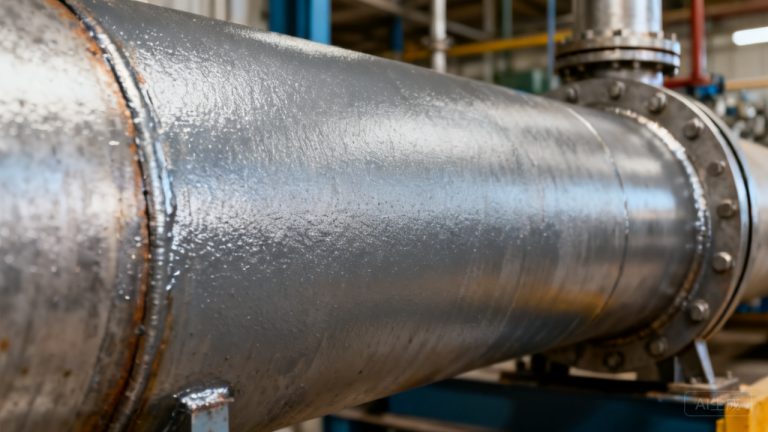
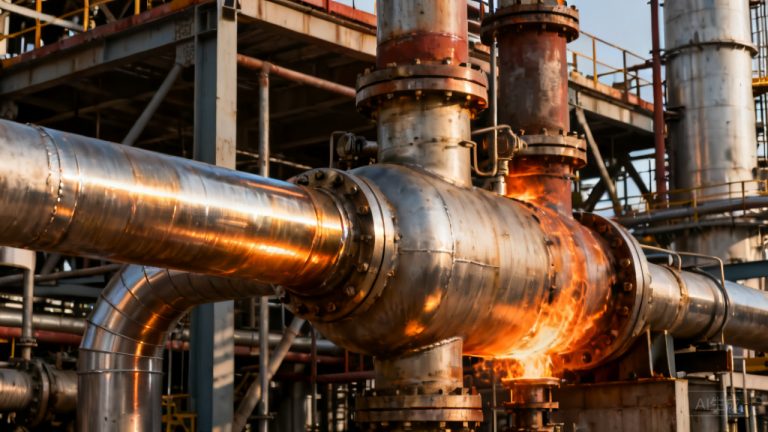
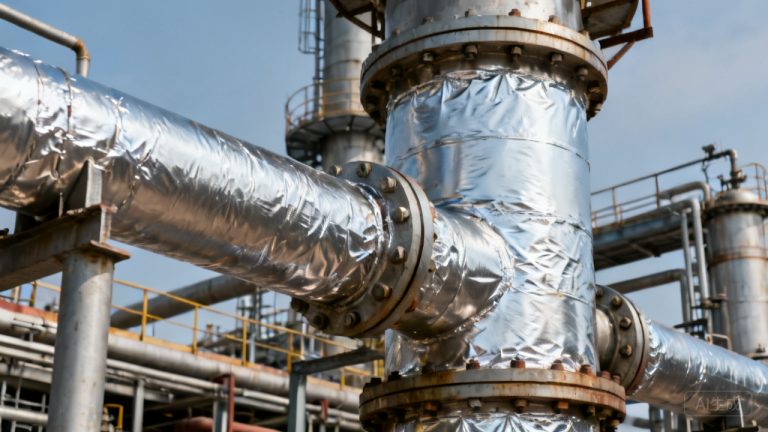
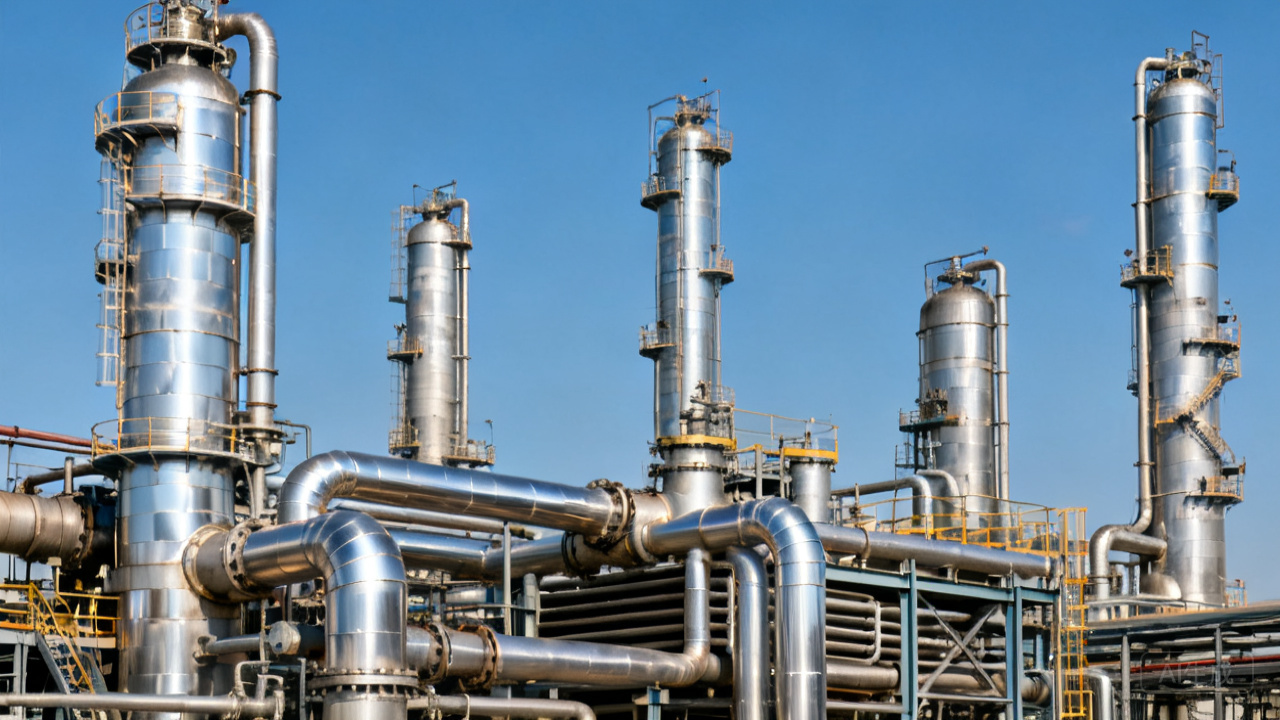
Typical corrosion-prone areas include heat exchangers, distillation towers, reactors, pipelines, valves, and storage tanks.
2. Corrosion Inhibitor Mechanisms and Functions
Corrosion inhibitors form a protective layer on the metal surface through adsorption or film formation, inhibiting corrosion reactions:
| Mechanism | Description | Applicable Media |
|---|---|---|
| Film-forming: Forms an insoluble film on the metal surface, isolating the media | Pickling, descaling, oilfield water injection | Sulfuric acid, hydrochloric acid, oilfield formation water |
| Adsorption-type: Organic molecules adsorb on the metal surface, hindering ion diffusion | Neutral water treatment, cooling water, light hydrocarbon media | Seawater, freshwater, light hydrocarbons |
| Mixed-type: Simultaneous film formation and adsorption, suitable for complex conditions | Multiphase systems (acid + water + hydrocarbon) | Pickling–water washing combined processes |
Vanconol® refining corrosion inhibitors function through the above mechanisms, significantly reducing corrosion rates (actual test data available in the TDS).
3. Vanconol® Corrosion Inhibitor Selection for Refining Units
3.1 Oilfield Media Corrosion Inhibitors (ET-101/ET-102)
Recommended grades: ET-101, ET-102
Features:
- Suitable for oilfield formation water and water injection systems
- Film-forming corrosion inhibitor, high-temperature resistant (≤200°C)
- Inhibits CO₂/H₂S corrosion, protects carbon steel/stainless steel
Typical dosage: 10–50 ppm (based on total injected water), subject to adjustment per corrosion monitoring data.
3.2 Refining Unit Corrosion Inhibitors (RF-401/402)
Recommended grades: RF-401, RF-402
Features:
- Suitable for refining distillation towers, heat exchangers, etc.
- Mixed-type corrosion inhibitor, high-temperature resistant (≤250°C)
- Inhibits H₂S/CO₂ corrosion, reduces equipment pitting
Typical dosage: 20–100 ppm; recommended for use with corrosion monitoring.
3.3 Pickling Process Corrosion Inhibitors (IR-902, MNC-02)
Recommended grades: IR-902, MNC-02
Features:
- Suitable for pickling, descaling, pickling–passivation combined processes
- Strong film-forming ability, resistant to high acid concentration (≥10%)
- Protects carbon steel and stainless steel equipment
Typical dosage: 0.5%–2% (based on total acid volume); determined by the pickling process and material.
3.4 Supplementary Scenarios
High-temperature/high-pressure systems: Recommendation: RF series or ET series for higher temperature resistance (≤300°C).
H₂S-containing environments: Grades resistant to hydrogen sulfide corrosion are required (ET-101/ET-102).
Mixed media: The IR series can serve both pickling and water washing, with broad applicability.
4. Application Precautions and Common Pitfalls
Dosage control: Overdosing may cause excessively thick passivation films on equipment, reducing heat transfer efficiency or even generating deposits; it is recommended to conduct small-scale tests per TDS recommendations and adjust based on corrosion monitoring data.
Injection method: Continuous injection via metering pump is recommended to avoid local concentration spikes from one-time bulk addition; injection points should be near high-risk corrosion areas (e.g., tower bottoms, heat exchanger inlets).
Water quality effects: Fluctuations in water quality of oilfield injection water or cooling water systems can affect inhibitor performance; periodic monitoring of water quality (pH, Cl⁻, SO₄²⁻) and timely adjustment are recommended.
Corrosion monitoring: It is recommended to combine online corrosion monitoring (e.g., electrical resistance probes, electrochemical noise) with offline coupon analysis to verify inhibitor effectiveness.
Avoid conflict with oxidizers: Certain oxidizers (e.g., hypochlorite) can damage the inhibitor protective film; avoid simultaneous use with the inhibitor; if oxidation treatment is required, perform it after inhibitor addition.
Storage conditions: Corrosion inhibitors should be stored in a cool, dry, and light-protected environment, avoiding high temperatures or contamination that could affect performance.
Frequently Asked Questions (FAQ)
Q1: How often should refining corrosion inhibitors be added?
A: Vanconol® refining corrosion inhibitors are recommended for continuous injection via metering pump at a flow ratio (e.g., 20 ppm); for shutdown maintenance, a top-up can be added before shutdown to protect equipment.
Q3: Can Vanconol® refining corrosion inhibitors be used in acidic environments?
A: Yes. The Vanconol® IR series is specially designed for pickling, descaling, and other acidic environments, with high acid concentration resistance; the ET/RF series is mainly for neutral water treatment or refining units, but the IR series also applies to certain acidic conditions.
Q3: Do corrosion inhibitors affect heat transfer efficiency of equipment?
A: At normal dosages, the effect on heat transfer efficiency is minimal; excessive use may lead to deposit formation, reducing heat transfer efficiency. Use according to TDS recommended dosages and perform periodic equipment cleaning.
Q4: Where can I find detailed data on Vanconol® refining corrosion inhibitors?
A: Technical articles are available on the official website https://www.hipfer.com/knowledge; product TDS can be downloaded via the “Product Documents” section on the website.
Q5: Are there environmental requirements for refining corrosion inhibitors?
A: Vanconol® refining corrosion inhibitors comply with national environmental standards and exhibit good biodegradability; specific discharge limits should be referenced to local environmental regulations and wastewater treatment processes.
Key Conclusions
- Corrosion protection for refining units requires selection based on media characteristics. Vanconol® offers multiple series, including ET-101/ET-102, RF-401/402, IR-902, and MNC-02.
- Film-forming, adsorption-type, and mixed-type mechanisms cover different scenarios: the ET series is for oilfield, the RF series for refining units, and the IR series for pickling processes.
- Dosage control (10–100 ppm) and continuous injection are critical; overdosing can reduce heat transfer efficiency and cause deposits.
- Corrosion monitoring (online/offline) is essential for verifying effectiveness; periodic evaluation is recommended.