Latex Glove Production and the Role of Additives: From Gelation to Anti-Cratering
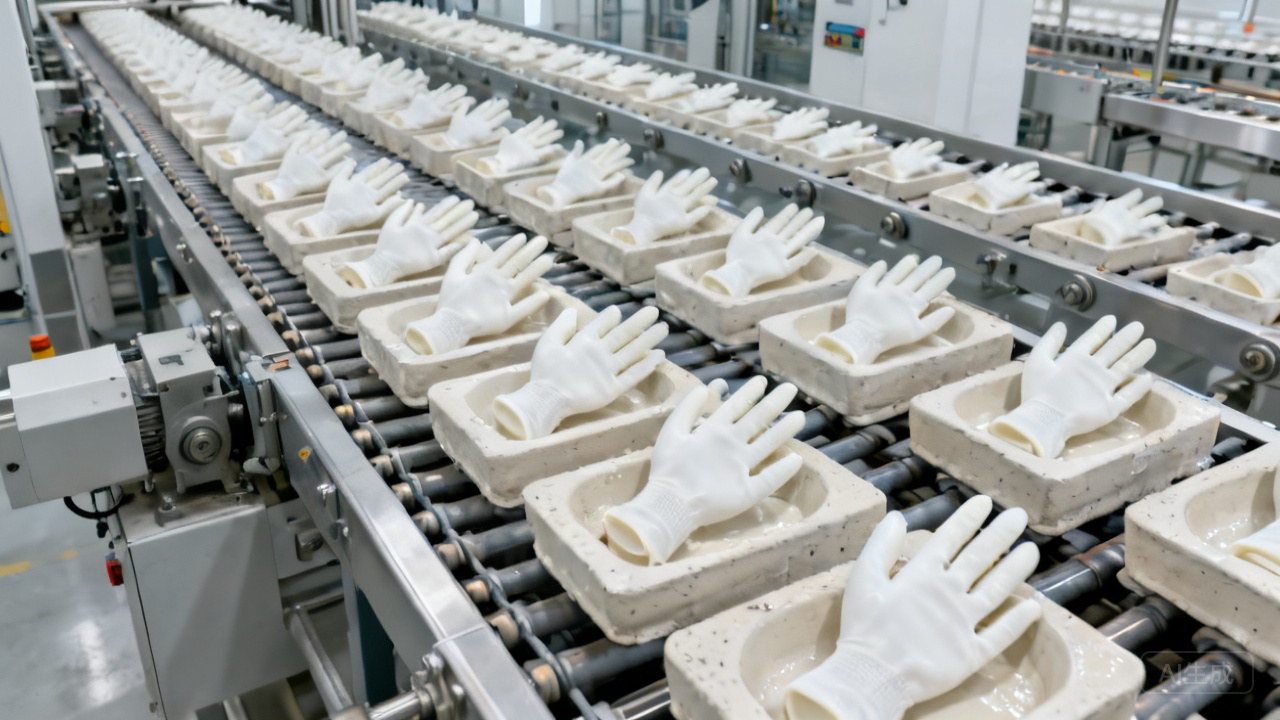
Latex gloves are produced from natural or nitrile latex by dipping. Core steps include: ceramic mold cleaning, coagulant dipping, latex dipping, gelation, leaching, vulcanization and demolding.
Coagulant and Gelation
Glove formation relies on rapid gelation of the latex on the mold surface. Common coagulants are divalent salts such as calcium nitrate, which destabilize and deposit latex particles through ionic interaction. Surfactants are often added to the coagulant formulation to control gel uniformity.
Anti-Cratering and Defoaming
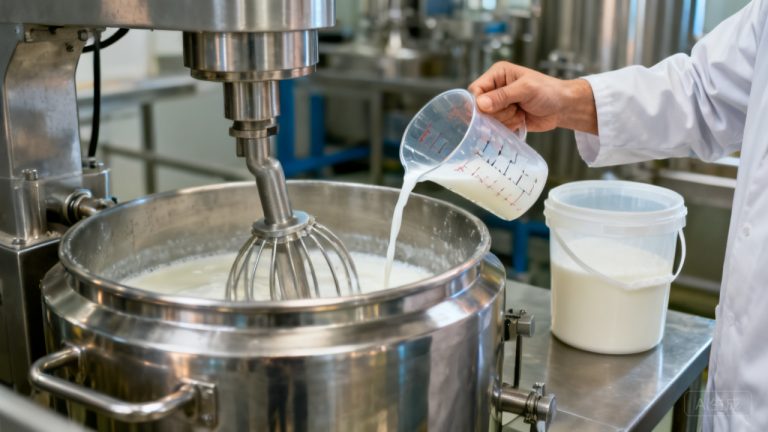
When lifting after dipping, a film connection (webbing) tends to form between fingers; an anti-cratering agent is needed to reduce film pulling. Bubbles generated in the compounding tank and during dipping must be controlled with a defoamer to avoid pinhole defects in the gloves.
Related Products
Toynol DF-57 is a dedicated anti-cratering agent for latex products; Foamic-028 polyether defoamer is suitable for latex systems.