Whitepaper: Acetylenic Diol Surfactants in Waterborne Coatings
1. Overview
Acetylenic diol surfactants are a family of nonionic surfactants based on 2,5-dimethyl-3-hexyne-2,5-diol (TMDD), modified through ethoxylation to form a product series. Combining dynamic surface tension reduction with low-foam properties, they are key additives for waterborne coating and ink systems.
2. Molecular Structure and Properties
The TMDD molecule contains a rigid alkyne bond and two tertiary hydroxyl groups, with a short, rigid hydrophobic group. Ethoxylation (FS series) makes the hydrophilicity adjustable. The rigid alkyne bond makes it difficult to form a stable elastic film at the gas-liquid interface, which is the structural root of its low-foam behavior.
3. Dynamic Surface Tension Advantage
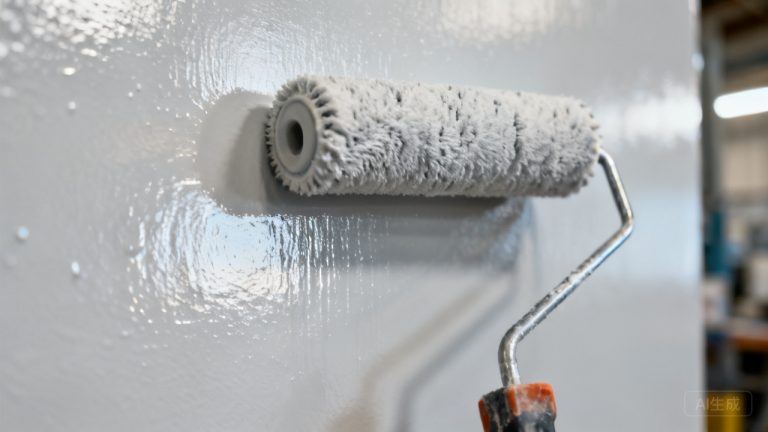
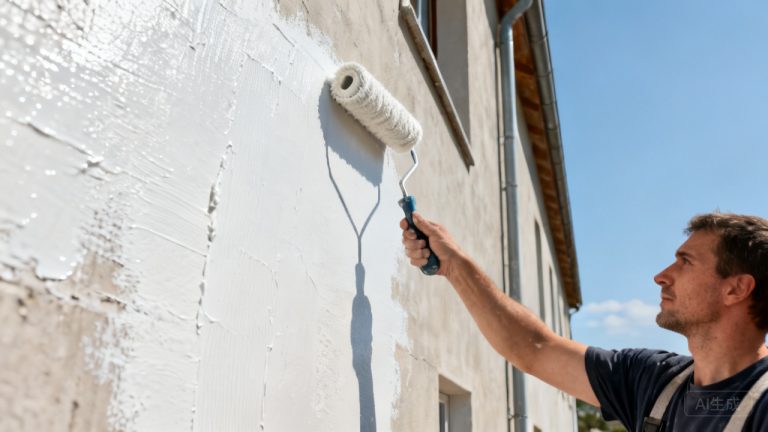
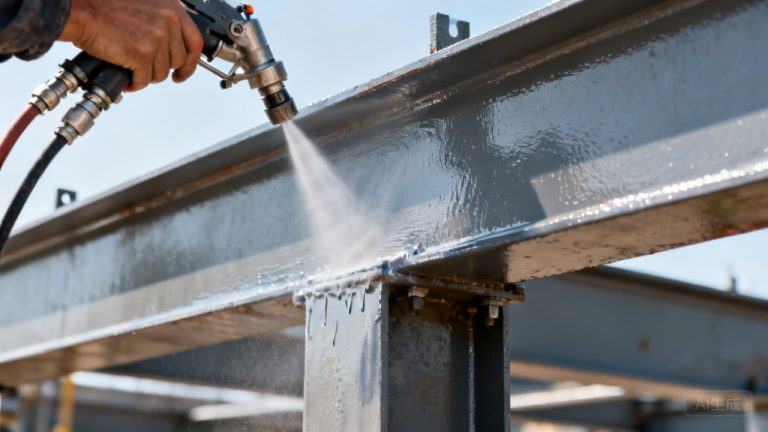
In high-speed application such as spraying and roller coating, acetylenic diols can reduce newly formed interface tension within milliseconds, outperforming conventional nonionic surfactants and effectively avoiding cratering and poor leveling.
4. Application Scenarios
The FS-204 series (acetylenic diol and solutions) is suitable for basic wetting; FS-6502/FS-6 series (acetylenic diol polyethers) for foam-control wetting; Superwet-320 for low-foam wetting; DF-110B combines defoaming.
5. Selection and Dosage
Select according to the system’s low-foam requirements: prioritize low-foam types for high-speed application (spraying); use foam-control types in the grinding stage; combine with DF-series gemini defoamers when strong defoaming is needed. Typical dosage 0.1-0.5%.
Related Products
FS-204, FS-6502, Superwet-320, DF-110B.