Selection Requirements and Recommendations for Corrosion Inhibitors in Oilfield Surface Gathering and Transportation Systems
Selection Requirements and Recommendations for Corrosion Inhibitors in Oilfield Surface Gathering and Transportation Systems
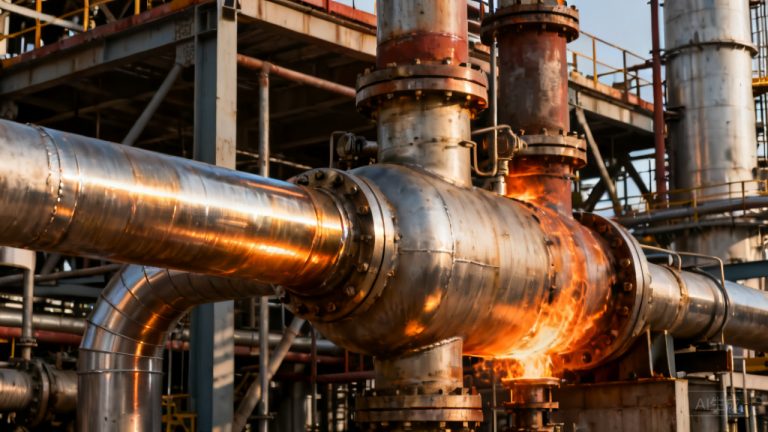
During oil and gas field development and gathering/transportation processes, metal equipment faces severe corrosion challenges from dissolved oxygen, H₂S, CO₂, and high-salinity produced water. These corrosion issues not only shorten equipment life and increase unplanned downtime but also create environmental and safety hazards. Relying on its in-house R&D capability for core monomers such as imidazolines and Mannich bases, the Vanconol® series of corrosion inhibitors delivers precise, efficient, and environmentally friendly corrosion protection for various scenarios including oil/gas wells, gathering lines, and acidizing operations.
Core Selection Requirements for Oilfield Surface Gathering Corrosion Inhibitors
1. Corrosion Environment Adaptability
Surface gathering systems encounter multiple corrosive media:
• Acid gas corrosion: H₂S, CO₂ and other acid gases
• Dissolved oxygen corrosion: electrochemical corrosion caused by dissolved oxygen in produced water
• Bacterial corrosion: microbial corrosion such as sulfate-reducing bacteria
• High-salinity corrosion: aggravated corrosion under high-temperature, high-salt conditions
2. Performance and Technical Requirements
• High corrosion inhibition efficiency: electrochemical test inhibition rate ≥80%; static weight loss test ≥70%
• Water solubility: water-dispersible, no phase separation, ensuring uniform distribution in gathering systems
• Low-temperature adaptability: pour point ≤ -10°C, suitable for various climatic conditions
• Environmental characteristics: non-toxic, environmentally friendly, heavy-metal-free, compliant with environmental regulations
Vanconol® ET-102 Surface Gathering Corrosion Inhibitor: A Dedicated Solution
Core Product Information
• Chemical description: composition of alkyl imidazoline corrosion inhibitor, specialty surfactants, and synergists
• Appearance: yellow transparent liquid
• Density: 0.9–1.1 g/cm³
• Kinematic viscosity: <80 mm²/s (40°C)
• Pour point: ≤ -10°C
• pH value: ≤8 (10% aqueous solution)
Mechanism of Action
The heteroatoms (e.g., N) and metalophilic anchoring groups within the molecule rapidly adsorb onto the metal surface, forming coordination bonds and creating a monomolecular adsorption film. This film prevents corrosive media from contacting the metal; by reducing the diffusion of H⁺ ions during the corrosion process, it slows the electrode reaction rate, thereby protecting the metal surface.
Technical Advantages
• Multi-point anchoring: the imidazoline ring and imino groups form multiple anchoring points on the metal, enhancing film adhesion
• High cyclization yield: advanced reaction technology promotes amide cyclization to achieve high imidazoline product conversion
• Dense protective film: strong adsorption onto the solid metal surface forms a dense protective barrier, preventing corrosion
Application Scenarios and Usage Guide
Recommended Application Areas
• Oil and gas field development: suitable for gathering systems handling high-temperature, high-salinity produced fluids
• Corrosion protection: effectively reduces metal corrosion caused by H₂S, CO₂, dissolved oxygen, and bacteria
• Surface gathering systems: specifically designed for corrosion protection of surface pipelines, storage tanks, and other equipment
Use Method and Recommended Dosage
• Pre-operation check: inspect whether the product in the container is in a molten state; if solidified, preheat to melt before use
• Dosage calculation: calculate the required inhibitor weight based on produced water volume; recommended minimum dosage of 15 ppm (as product). For operation at temperatures above 65°C, recommended active matter content of ≥75 ppm
• Dilution requirements: may be diluted on-site as needed; use softened water for dilution
Special Condition Handling
• High-temperature environment: when operating at temperatures above 65°C, recommended active matter content of ≥75 ppm
• High-salinity environment: effective under high-salinity conditions typical of oilfield produced fluids
• Complex corrosive environments: capable of simultaneously mitigating uniform corrosion and localized pitting
Safety, Environmental Protection, and Storage
Safe Handling
• Personal protective equipment must be worn during handling; avoid direct contact with skin, eyes, etc.
• In case of accidental contact, flush immediately with plenty of water; seek medical attention if necessary.
Storage and Transportation
• Packaging: plastic drum, net weight 220 L per drum; custom packaging available upon request
• Storage/transportation requirements: protect from sunlight, heat, moisture, and impact; do not store or transport with flammable, explosive, or corrosive materials
• Storage environment: store in a clean, cool, dry, and well-ventilated warehouse, away from heat, sparks, and open flames
• Shelf life: 1 year under normal temperature conditions
Vanconol® Technical Advantages
1. In-house Monomer R&D Capability
Vanconol® leverages two production bases in Tianjin and Liaoning to independently manufacture monomers including oil-soluble imidazolines, water-soluble imidazoline quaternary ammonium salts, and Mannich bases. This results in higher purity of the final corrosion inhibitor products, more targeted molecular design, and more stable supply and cost.
2. Full Lifecycle Corrosion Control
• Downhole corrosion protection for oil/gas wells: Vanconol® ET-101 Oil/Gas Well Corrosion Inhibitor
• Surface pipeline gathering corrosion protection: Vanconol® ET-102 Gathering Corrosion Inhibitor
• Produced water reinjection corrosion protection: Vanconol® ET-103 Produced Water Corrosion Inhibitor
• Acidizing stimulation corrosion protection: Vanconol® ET-105 Acidizing Corrosion Inhibitor
3. Environmental and Safety Characteristics
The entire series of petroleum corrosion inhibitors uses non-toxic, environmentally friendly formulations, free of heavy metals and chloride ions, fully compliant with international environmental regulations.
Selection and Usage Recommendations
Recommended Dosage and Dilution Guidelines
For continuous injection in oil/gas wells using Vanconol® ET-102, a recommended initial starting dosage of no less than 15 ppm (based on produced water volume) is suggested. The exact dosage should be determined through laboratory corrosion testing using rotating coupon or electrochemical polarization methods.
Technical Support
Contact a Vanconol® technical engineer and provide produced water quality analysis (ion composition, pH, corrosive media concentration) and field process parameters. We will assist in conducting professional compatibility tests and dynamic corrosion simulations to match the most cost-effective grade and injection plan for your application.
Frequently Asked Questions
Q: What is the differentiating advantage of Vanconol® oilfield corrosion inhibitors?A: The core advantage lies in our in-house monomer molecular design capability. Vanconol® relies on two production bases in Tianjin and Liaoning to independently produce oil-soluble imidazolines, water-soluble imidazoline quaternary ammonium salts, and Mannich base monomers. This ensures higher purity of the final corrosion inhibitor products, more targeted design, and more stable supply and cost.
Q: How do we determine which Vanconol® corrosion inhibitor grade to choose for our oilfield?A: Contact our technical engineer and provide the produced water quality analysis (ion composition, pH, corrosive media concentration) and field process parameters. We will assist with professional compatibility tests and dynamic corrosion simulations to select the most cost-effective grade and injection plan.
Conclusion
Vanconol® ET-102 Surface Gathering Corrosion Inhibitor, with its excellent corrosion inhibition performance, environmental characteristics, and broad application adaptability, is a suitable option for protecting oilfield surface gathering systems. Through scientific selection, proper use, and professional technical support, it can help extend equipment life, reduce maintenance costs, and ensure safe oil/gas field production.
If you encounter any technical challenges in oilfield corrosion protection or wish to obtain customized inhibitor selection recommendations and sample testing support, please contact the Vanconol® technical team. You may also visit our website at www.hipfer.com for detailed data sheets on Vanconol® ET-101, ET-102, ET-105, and corrosion inhibitor monomer products.