Vanconol® Copper Corrosion Inhibitor: A Preferred Solution for Corrosion Protection in Electronics, Electrical and Precision Manufacturing
Vanconol® Copper Corrosion Inhibitor: A Preferred Solution for Corrosion Protection in Electronics, Electrical and Precision Manufacturing
In the electronics, electrical and precision manufacturing industries, copper and copper alloys—by virtue of their excellent electrical conductivity, thermal conductivity and machinability—have become the critical material of choice for core products such as printed circuit boards (PCBs), electronic connectors, chip leads, precision sensors and high-end electrical components. However, throughout the entire lifecycle of these products—including production and processing (e.g., pickling, etching, cutting), warehousing and transportation, and in-service operation—copper materials face multiple corrosion risks, including chemical attack from acidic processing fluids, oxidative discoloration in humid salt-spray environments, electrochemical corrosion in multi-metal coexisting systems, and pitting corrosion induced by aggressive ions such as chloride. These corrosion issues not only degrade surface finish, reduce electrical conductivity and compromise dimensional precision, but may also lead to product failure, batch-level rework and shortened service life—directly impacting production efficiency and market competitiveness.
The Vanconol® series copper corrosion inhibitors (CPI-AP, CPI-42, CPI-MI) represent a new generation of high-performance products developed through molecular structural modification of conventional benzotriazole (BTA) and tolyltriazole (TTA). By precisely introducing active groups such as piperazine, diethanolamine and imidazoline, these products retain the core advantages of classic corrosion inhibitors while achieving step-change improvements in water solubility, multi-metal protection and working-condition adaptability—perfectly matching the stringent anti-corrosion requirements of the electronics, electrical and precision manufacturing sectors, and delivering reliable full-lifecycle protection for copper and multi-metal components.
I. Overview of the Working Mechanism of Vanconol® Copper Corrosion Inhibitors
The protective performance of the Vanconol® series copper corrosion inhibitors stems from their scientific molecular design and efficient working mechanism, centered on a three-dimensional protection system of “targeted adsorption — dense film formation — comprehensive barrier,” while also optimizing synergistic protection mechanisms for multi-metal coexistence scenarios.
(I) Targeted Adsorption Mechanism of Modified Molecules
Although conventional BTA/TTA can form coordination bonds with copper ions, their poor water solubility and limited adsorption kinetics make them difficult to adapt to the high-efficiency production demands of the electronics industry. Through molecular modification, the Vanconol® series retains the benzotriazole ring (or tolyltriazole ring) as the core coordinating group while introducing functional groups with high hydrophilicity and strong adsorption activity: CPI-AP incorporates a piperazine group, CPI-42 incorporates a diethanolamine group, and CPI-MI incorporates an imidazoline group. These modified groups not only substantially improve water solubility but also enhance the interaction with metal surfaces—on one hand, the benzotriazole ring forms stable coordination bonds with metal ions on the surface of copper (or copper alloys), achieving chemisorption; on the other hand, nitrogen, oxygen and other heteroatoms in the modified groups form physical adsorption with active sites on the metal surface through lone-pair electrons. This dual adsorption mechanism enables the inhibitor molecules to attach to the metal surface rapidly and firmly, laying the foundation for film formation.
(II) Formation of a Molecular-Level Dense Protective Film
After adsorbing onto the metal surface, inhibitor molecules self-assemble through intermolecular hydrophobic interactions, hydrogen bonding and π–π stacking effects to form a dense protective film with a thickness of only molecular dimensions (the film formed by CPI-MI is approximately 50 Å thick). This protective film exhibits exceptional stability and continuity: first, the film structure is compact and free of pores or defects, effectively blocking corrosive media such as water, dissolved oxygen, chloride ions and sulfate ions from contacting the metal substrate, thereby eliminating corrosion reactions at the source; second, the film bonds firmly to the metal surface and does not readily detach due to flow erosion, mechanical vibration or temperature fluctuations, ensuring long-term protection; third, the film possesses good hydrophobicity, which reduces moisture retention on the metal surface and further lowers the risk of oxidative corrosion.
(III) Synergistic Multi-Metal Protection Mechanism
Electronic and electrical products are typically multi-material systems (e.g., copper circuitry and steel substrates in PCBs, copper solder joints and steel components in automotive electronics, copper structures and galvanized steel enclosures in precision equipment). The potential differences between dissimilar metals readily induce galvanic corrosion. The Vanconol® series copper corrosion inhibitors overcome the limitation of conventional BTA/TTA, which are effective only on copper and copper alloys. The modified molecular structure adapts to the surface characteristics of various metals: for copper and copper alloys such as brass and bronze, an inert protective film is formed through coordination bonding; for ferrous metals such as steel and galvanized steel, a protective film is formed through the strong adsorption of imidazoline, piperazine and other groups; for non-ferrous metals such as silver, lead, nickel and zinc, corrosion protection is also achieved through molecular adsorption and synergistic action. This broad-spectrum protection avoids the localized corrosion problems caused by “single-metal protection” in multi-material systems, achieving balanced protection across the entire system.
(IV) Efficient Barrier Against Corrosive Media and Passivation Effect
In addition to physical barrier effects, the Vanconol® series corrosion inhibitors enhance protection through chemical passivation: the inhibitor molecules react with the oxide layer on the metal surface, converting it into a more stable and denser passivation film that further improves the metal’s corrosion resistance. Meanwhile, the molecular structure can selectively adsorb harmful ions in water (such as chloride ions), reducing their aggressive attack on the metal surface. This is particularly effective in scenarios containing high concentrations of aggressive ions, such as PCB pickling and etching, where pitting and crevice corrosion can be effectively suppressed.
II. Core Application Advantages of Vanconol® Copper Corrosion Inhibitors in Electronics, Electrical and Precision Manufacturing
Addressing the production characteristics of the electronics, electrical and precision manufacturing sectors (such as high automation, complex operating conditions and stringent precision requirements) and their corrosion pain points, the Vanconol® series copper corrosion inhibitors deliver six core advantages that comprehensively surpass conventional inhibitor products:
(I) Excellent Water Solubility, Compatible with Automated High-Efficiency Production
In the electronics industry, PCB manufacturing and electronic component cleaning processes typically employ automated dosing systems, which place extremely high demands on the water solubility and dosing convenience of chemical agents. Conventional BTA has a water solubility of only approximately 25 g/L (at 20°C), requiring pre-dissolution in organic solvents (such as isopropanol) or strong alkalis—an operation that is not only cumbersome and inefficient but may also introduce impurities that affect product quality. TTA likewise has poor water solubility, making uniform distribution difficult to achieve.
Through the introduction of modified groups, the Vanconol® series achieves a qualitative leap in water solubility—it is miscible with water in any proportion, requires no pre-dissolution, and can be added directly to the system or continuously and precisely dosed via a metering pump. This advantage not only simplifies operational procedures and reduces labor costs, but also ensures rapid and uniform distribution of the agent within the production system, avoiding corrosion problems caused by localized concentration deficiency—perfectly matching the automated and high-efficiency production requirements of the electronics industry.
(II) Broad-Spectrum Multi-Metal Protection, Covering All-Material Systems
The multi-material nature of electronic and electrical products requires that corrosion inhibitors possess cross-metal protection capability. Conventional inhibitors often have a narrow target specificity—for example, BTA primarily protects copper and copper alloys while offering negligible protection for ferrous metals such as steel and galvanized steel—resulting in the need for multiple inhibitors in multi-material systems, which increases formulation complexity and cost.
The Vanconol® series coppercorrosion inhibitors deliver “multi-metal protection with a single agent”:CPI-AP provides effective protection for copper, copper alloys, silver, lead, nickel,zinc, and steel;CPI-42 effectively protects copper, brass, bronze, steel, and galvanized steel;CPI-MI not only protects copper alloys but also demonstratesexcellent corrosion inhibition performanceon steel and galvanizedsteel. This broad-spectrum protection significantly simplifies water treatment or working fluid formulations, reduces formulation complexity and costs, while ensuring comprehensive protection for multi-material components and preventing overall product failure caused by localized material corrosion.
(3) WidepH adaptability for complex operating conditions
Production conditions in the electronics industryinvolve significant pH fluctuations:PCBpickling stageshave pH valuesas low as5.5, cleaning stages are near-neutral, and some storage environmentscan reachpH10.0. Traditional corrosion inhibitors (such asBTA) exhibit reduced activityand significantly lowerinhibition efficiencyin low-pH environments, making them inadequate for complex operating conditions.
The Vanconol® series coppercorrosion inhibitors maintain high activityand corrosion inhibition efficiencyacross a broad pH range of 5.5–10.0:CPI-AP outperformsconventionalBTAat lowpH values;CPI-42 is suitable forpH 6.0–10.0, andCPI-MI is stably applicable acrosspH 5.5–10.0. This widepH adaptability enables consistent protective performance without frequent system pH adjustments, readily accommodating pH variations across pickling, etching/cleaning, and storage stages, thereby reducing process control costs and enhancing production stability.
(4) Efficient Film Formation and Long-Term Protection for Precision and Service Life
Precision electronic components demand extremely high surface accuracy. Corrosion inhibitors must form films rapidly while avoiding any adverse effects on product dimensions or surface finish. Meanwhile, long-term storage and in-service requirements demand sustained protection capability.
The film-forming characteristics of the Vanconol® series coppercorrosion inhibitors are ideally suited to these requirements. First, their rapid molecular adsorption enables the formation of a uniform, dense molecular-level protective film on metal surfaces (with apre-filming timeof just24–48hours),and thefilm is extremely thin, with no impact on dimensional accuracy or surface finish of precision components. Second, the film exhibits exceptional stability, withstanding flow-induced shear, temperature variations, and chemical attack. At normal use concentrations of2–10 mg/L, it provides long-term, stable protection, extending product shelf life and service life. For example, in electronic component storage, rust-preventive oils containing Vanconol corrosion inhibitors keep copper parts free from oxidation and discoloration for over 12 months in humid salt-spray environments.
(5) Excellent Formulation Compatibility with Diverse Processing Systems
In electronics manufacturing, corrosion inhibitors are frequently used in combination with scale inhibitors, dispersants, biocides/algicides, cutting fluid additives, and electroplating bath components. Traditional inhibitors often exhibit antagonistic effects with these additives, leading to precipitation or performance degradation.
The Vanconol® series coppercorrosion inhibitors offer excellent formulation compatibility: they are compatiblewith organic phosphonates, polymeric scale inhibitors, quaternary ammoniumbiocides/algicides, lubricating components in cutting fluids, and brighteners in electroplating baths, with no antagonistic effects. Furthermore, they exhibit synergistic effects with other corrosion inhibitors such as mercaptobenzothiazole (MBT), further enhancingoverall corrosion inhibition performance. For example, inPCBprocessing fluids, the combination of Vanconol inhibitors with scale inhibitors and dispersants not only protects copper circuitry from corrosion but also minimizes the impact of scale deposition on processing precision. In electroplating baths, their combination with brighteners simultaneously improves plating brightness and corrosion resistance.
(6) Environmental Compliance, Safety, and Stability in Line with Industry Trends
As the electronics industry raises its environmental standards, international regulations such as the EUREACHregime impose increasingly stringent restrictions on hazardous substances in products. The Vanconol® series coppercorrosion inhibitors strictly adhere to environmental compliance requirements. Notably,CPI-42contains nosubstances of very high concernunder the EUREACHregulation, offering superior environmental safety. All three products are supplied in liquid form, eliminating dust hazards and enabling safer handling.
In addition, the Vanconol® series coppercorrosion inhibitors exhibit stable physicochemical properties: their pour points are all below−10°C, ensuring they do not freeze in cold environments and can be stored and used normally; they featurehigh solid content(CPI-APandCPI-42at 75% solids, andCPI-MIat 80% solids), providing high concentrations of active ingredients with low dosage requirements, thereby reducing transportation and storage costs while minimizing waste liquid discharge, consistent with industry trends toward green and low-carbon operations.
III. In-Depth Analysis of Key Application Scenarios
Leveraging thecore advantages described above, the Vanconol® series copper corrosion inhibitors achieve in-depth application across multiplecritical stages in the electronics, electrical, and precision manufacturing sectors, addressing specific corrosion challenges in each scenario:
(1) Full-Process Protection in PCB Manufacturing
PCB,the “neural network” of electronic devices, relies on the integrity of its copper circuitry for product performance. During PCB manufacturing,pickling to remove oxide scale, etching, and cleaning/rinsing stages present high-risk scenarios for copper circuit corrosion: strong acids in pickling can cause excessive dissolution of the copper substrate, etchants can induce edge corrosion of circuitry, and residual moisture and ions after cleaning can lead to subsequent oxidation.
The Vanconol® series coppercorrosion inhibitors demonstrate precisely targeted protection in this scenario:
•Pickling stage: At dosages of2–5 mg/L, a protective film forms rapidly on the copper surface, suppressing excessive attack of the copper substrate by strong acids while maintaining oxide scale removal efficiency, thereby ensuring substrate integrity of the circuitry.
[[CONTENT]]
•Etching stage: When compounded with the etching solution, it selectively adsorbs onto the copper circuit surface, preventing the etchant from causing lateral corrosion at the circuit edges, thereby enhancing circuit precision and resolution and reducing etching defects.
•Cleaning and rinsing stage: Adding a low concentration of corrosion inhibitor (1–2 mg/L) prevents pitting corrosion induced by residual chloride and sulfate ions during rinsing, while also suppressing oxidation and discoloration of the copper surface, thereby improving the acceptance rate of PCB products.
Furthermore, its excellent water solubility ensures rapid and uniform distribution in the spray and immersion systems of PCB production lines, making it well suited for automated continuous manufacturing. Its wide pH adaptability enables stable performance across different stages—such as acid pickling (low pH) and rinsing (neutral pH)—without the need for frequent formulation adjustments.
(二)Electronic component storage and transport protection
Electronic components (e.g., copper connectors, chip leads, relay contacts) are susceptible to oxidation and discoloration during warehousing and transportation due to humidity, salt spray, and temperature fluctuations, leading to increased contact resistance, degraded electrical conductivity, and even functional failure. Traditional rust-prevention methods often rely on organic solvent-based rust-preventive oils, which pose environmental concerns and are inconvenient to handle.
The Vanconol® series copper corrosion inhibitors offer an efficient and environmentally friendly solution for this scenario:
•As an additive to rust-preventive oils/greases: Directly soluble in rust-preventive oils (or greases) at a concentration of 5–10 mg/L, it forms a protective film on component surfaces through contact-type protection while also exhibiting vapor-phase rust-inhibiting action, effectively suppressing oxidation even in sealed packaging;
•As an additive to vapor-phase rust-preventive films: When incorporated into the raw materials of vapor-phase rust-preventive films, the inhibitor molecules are slowly released, creating a protective atmosphere within the enclosed space, providing comprehensive and dead-corner-free rust protection for copper components;
•Key advantages: The water-soluble corrosion inhibitor avoids the environmental issues associated with traditional organic solvent-based rust preventives, and its long protection period enables electronic components to remain free of oxidation and discoloration for more than 12 months under ambient warehousing conditions, significantly reducing inventory losses and transportation risks.
(三)Protection during precision copper component machining
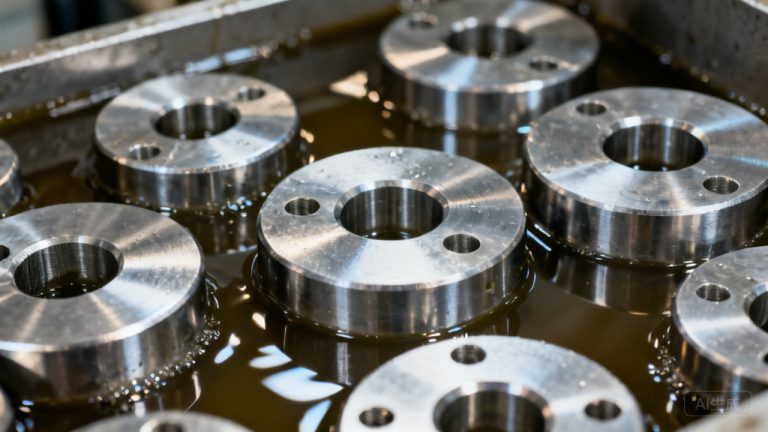
Precision copper components in electronic equipment (e.g., miniature motor shafts, precision sensor copper housings, and high-end connector pins) face corrosion issues induced by cutting fluids during machining processes such as cutting and grinding: the water and additives in cutting fluids can cause corrosion spots and discoloration on workpiece surfaces, compromising surface finish and dimensional accuracy, and increasing the cost of subsequent polishing operations.
The Vanconol® series copper corrosion inhibitors, as cutting fluid additives, demonstrate significant advantages:
•Rapid film formation: During cutting, the inhibitor molecules quickly adsorb onto the workpiece surface, forming a dense protective film that isolates the cutting fluid from the copper substrate, thereby preventing corrosion spots;
•Synergistic effect: It is fully compatible with the lubricating components and extreme-pressure additives in cutting fluids, not only without compromising the lubrication and cooling performance of the cutting fluid but also enhancing its stability and prolonging its service life;
•Improved machining quality: It effectively protects the surface finish of workpieces, reducing rework rates, and is particularly suitable for machining high-precision copper components, ensuring dimensional accuracy and surface appearance quality.
(四)Protection in electroplating and surface treatment
In electroplating processes for electronic components (e.g., copper plating, silver plating, nickel plating), it is essential to ensure smooth, corrosion-free surfaces with strong adhesion on the plated parts. In post-plating treatment stages, residual plating solution can cause oxidation and discoloration on the plated parts, affecting the appearance and performance of the final products.
The application value of the Vanconol® series copper corrosion inhibitors in this scenario is prominent:
•As an electroplating bath additive: CPI-MI can serve as a chromium mist suppressant in the electroplating bath, while also improving the brightness and uniformity of the plated layer, reducing defects such as pinholes and pits in the coating. Moreover, its corrosion-inhibiting action protects the substrate, preventing localized corrosion caused by uneven current distribution during plating;
•Post-plating anti-tarnishing treatment: After cleaning, the plated parts are immersed in a solution containing the Vanconol® corrosion inhibitor (concentration 3–5 mg/L), which forms a protective film on the coating surface, suppressing oxidation and discoloration, thereby extending the storage life and service life of the plated parts;
•Advantages: Excellent compatibility with brighteners, levelers, and other components in the plating bath, with no precipitation, and without affecting the adhesion or electrical conductivity of the coating, meeting the stringent quality requirements for electroplating in electronic components.
(五)Protection for automotive electronics and new energy electronics
Automotive electronics (e.g., copper brazed joints in engine cooling systems, brass radiators) and new energy electronics (e.g., copper busbars in charging stations, battery connector tabs) operate under complex conditions for extended periods: the antifreeze coolant in automotive cooling systems, the outdoor humid environment of charging stations, and the high-temperature, high-humidity conditions in battery systems all accelerate copper corrosion.
The Vanconol® series copper corrosion inhibitors provides a long-term protection solution for this field:
•As an additive to automotive antifreeze/coolant: When incorporated as a corrosion-inhibiting component at a concentration of 2–8 mg/L, it effectively prevents electrochemical corrosion and pitting corrosion of copper brazed joints and brass radiators in cooling systems, while also providing synergistic protection for steel components and aluminum cylinder blocks, thereby extending the service life of engine cooling systems;
•Protection for new energy charging stations: When added to protective coatings or sealants used in charging stations, it protects the internal copper busbars and connector tabs from moisture and salt spray corrosion, ensuring stable electrical conductivity and reducing the risk of charging station failures;
•Advantages: Wide temperature adaptability (withstands both the high temperatures of engine operation and outdoor low temperatures), good compatibility with antifreeze and coating formulations, and environmental compliance, meeting the green development requirements of the automotive and new energy industries.
(六)Protection for high-end electrical equipment
High-end electrical equipment (e.g., copper connectors in precision instruments, copper leads in aerospace electronics, and copper contacts in industrial control systems) demands extremely high reliability and stability—even slight corrosion can lead to equipment failure and serious consequences.
The long-term protective characteristics of the Vanconol® series copper corrosion inhibitors are particularly critical in this scenario:
•During equipment manufacturing: Adding a low concentration of the corrosion inhibitor (1–3 mg/L) during component cleaning and assembly prevents surface oxidation, ensuring assembly precision and contact electrical conductivity;
•During equipment service: By adding to cooling media or insulating oil, or coating onto critical copper components, it forms a long-lasting protective film that resists corrosive media in the service environment, enhancing equipment reliability and service life.
•Advantages: The protective film is thin and does not affect electrical performance; multi-metal protection capability accommodates multi-material components in equipment; wide pH and temperature adaptability ensures stable performance across diverse service environments.
IV. Application Performance Verification and Usage Recommendations
(I) Typical Application Performance Data
The application performance of the Vanconol® series copper corrosion inhibitors in the electronics, electrical, and precision manufacturing sectors has been verified through multiple tests:
•Corrosion inhibition efficiency: In the PCB pickling stage, the addition of 5 mg/L CPI-AP corrosion inhibitor achieves a copper corrosion inhibition rate of over 99.2%, an improvement of 8–10 percentage points over conventional BTA;
•Storage protection: Copper connectors treated with rust-preventive oil containing CPI-MI showed no oxidation or discoloration after 72 hours in salt spray testing (GB/T 10125-2021), delivering more than twice the protective performance of conventional rust-preventive oil;
•Machining precision: In precision copper part cutting, cutting fluid containing CPI-42 reduced the incidence of surface corrosion spots from 15% to below 0.5%, improving surface finish by 1–2 grades;
•Compatibility: When compounded with common PCB etchants, cutting fluids, and electroplating solutions, no precipitation occurs, and system stability improves by over 30%.
(II) Scientific Usage Recommendations
To ensure the Vanconol® series copper corrosion inhibitors deliver optimal protective performance, the following usage recommendations are proposed based on the production characteristics of the electronics and electrical industry:
1. Dosage concentration: Adjust concentration according to the specific scenario—for aggressive corrosion environments such as PCB pickling and etching, an active ingredient concentration of 5–10 mg/L is recommended; for routine protection scenarios such as cleaning and storage, 2–5 mg/L is recommended; for pre-filming treatment of new systems or already corroded systems, a product dosage of 50–100 mg/L is recommended, followed by circulation for 24–48 hours before reducing to a maintenance concentration.
2. Dosing method: The product is a water-soluble liquid that can be added directly to the system or continuously dosed via metering pump after dilution, making it compatible with automated production systems; thorough mixing is required after dosing to ensure rapid distribution of the agent.
3. Compatibility testing: Before compounding with other chemicals (such as scale inhibitors, biocides/algicides, or cutting fluid additives), a small-scale compatibility test is recommended to confirm the absence of precipitation prior to bulk use.
4. Storage conditions: Store sealed in a cool, ventilated, dry place away from direct sunlight; reseal promptly after opening to prevent moisture absorption from affecting performance; shelf life is 12 months, and use within the shelf life is recommended.
5. Safety handling: Wear protective gloves and safety goggles during handling, and avoid direct contact with skin and eyes; in case of accidental contact, rinse immediately with plenty of water and seek medical attention if necessary.
V. Summary and Outlook
Technological advancements in the electronics, electrical, and precision manufacturing industries have imposed higher demands on the corrosion protection of copper and multi-metal components—efficiency, convenience, broad-spectrum performance, and environmental friendliness have become core requirements. The Vanconol® series copper corrosion inhibitors (CPI-AP, CPI-42, CPI-MI) break through the performance limitations of conventional corrosion inhibitors through innovative molecular structure modification, precisely matching the complex operating conditions and stringent requirements of this field with superior water solubility, broad-spectrum multi-metal protection, wide pH adaptability, excellent compatibility, and environmental compliance.
From precision protection in PCB manufacturing to long-term storage of electronic components, from machining protection of precision parts to service support for high-end equipment, the Vanconol® copper corrosion inhibitors provide a comprehensive, integrated anti-corrosion solution for the electronics, electrical, and precision manufacturing industries—effectively reducing corrosion-induced product loss and rework costs while enhancing product reliability and market competitiveness.
Going forward, as the electronics and electrical industry advances toward miniaturization, higher integration, and greener processes, Vanconol® will continue to deepen molecular design and modification technologies, launching more targeted corrosion inhibitor products to help the industry overcome increasingly complex corrosion challenges and provide solid support for the high-quality development of the electronics, electrical, and precision manufacturing industries.
[[CONTENT]]