A Guide to Additive Selection for Marine Waterborne Coatings: A Systematic Approach from Wetting and Defoaming to Dispersion
Additive Challenges in Marine Waterborne Coatings
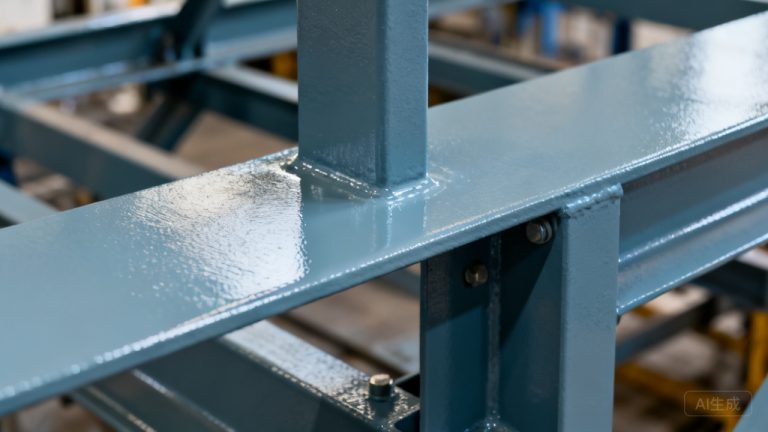
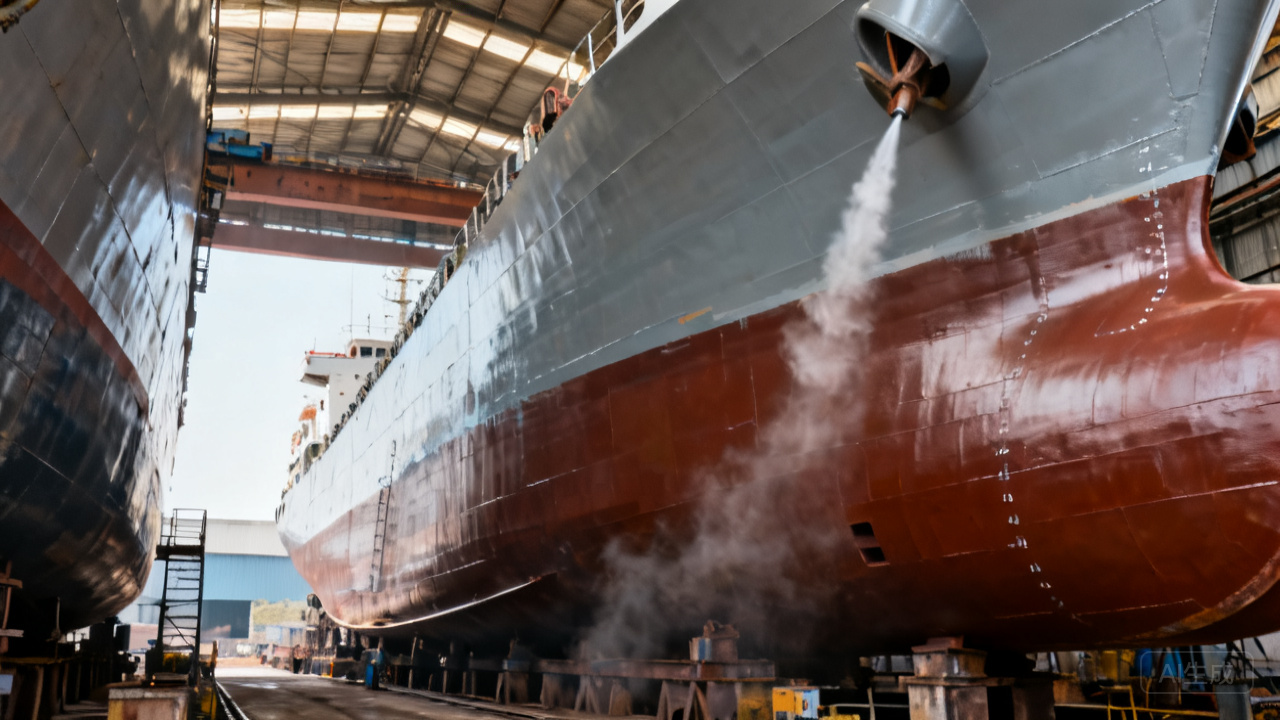
Marine coatings are subjected to prolonged exposure to high salt spray, intense UV radiation, and wet-dry cycling, placing stringent demands on film adhesion, corrosion resistance, and surface appearance. Waterborne systems inherently present three major challenges: high surface tension, a tendency to foam, and difficulty in dispersing pigments and fillers. These issues are particularly pronounced in marine applications involving high-film-thickness and high-pressure airless spray, where microfoam and cratering become critical concerns. Selecting the appropriate additive package is essential to ensure both the application performance and the long-term corrosion protection of marine waterborne coatings.
Wetting Agents: Addressing Wetting Challenges on Low-Energy Surfaces and Dynamic Conditions
While the substrates for marine coatings are typically sandblasted steel with high surface energy, intermediate and top coats often face wetting challenges over existing coatings or complex substrates. Furthermore, high-pressure spraying demands excellent dynamic wetting; otherwise, cratering and fisheyes may occur.
Recommended Products
- Toynol® Superwet-320: An acetylenic diol polyether structure offering a static surface tension as low as 26.2 dyn/cm (0.1% aqueous solution). It exhibits excellent foam control, facilitating rapid substrate wetting and preventing cratering in both primers and topcoats.
- Toynol® FS-204PG: Based on acetylenic diol chemistry, this product provides dual wetting and defoaming functionality. It is particularly effective at suppressing micro-foam during high-speed mixing and high-film-thickness application, potentially serving as a defoamer replacement to simplify formulations.
- Toynol® FS-620: An acetylenic diol polyether gemini structure with a static surface tension of 33.2 dyn/cm and a dynamic surface tension of 34.3 dyn/cm. It strikes a balance between dynamic wetting and foam control, making it suitable for intermediate coat systems.
Defoamers: Tackling Persistent Foam in High-Film-Thickness and High-Pressure Spraying
Marine coatings are typically applied at film thicknesses of 100–200 μm. In such thick films, the path for foam release is long. While conventional silicone-based defoamers offer rapid bubble rupture, they can cause cratering and reduced intercoat adhesion. Molecular defoamers, with their superior compatibility, represent a safer choice for marine waterborne systems.
Recommended Products
- Toynol® Foamic-024: A non-ionic organic polymer defoamer free from silicone, mineral oil, and APEO. It does not cause cratering or pinholing and is particularly suited for topcoats and applications with high surface appearance requirements. Recommended dosage: 0.2%–1.0%.
- Toynol® DF-80D: A non-ionic acetylenic diol gemini defoamer that effectively avoids the compatibility issues associated with traditional silicone defoamers while maintaining excellent foam-breaking and foam-suppressing performance. Suitable for marine primers and intermediate coats. Recommended dosage: 0.1%–0.8%.
- Toynol® DF-110B: A high-efficiency non-ionic gemini defoamer specifically formulated to prevent the cratering issues often caused by conventional defoamers. Designed for marine topcoats where surface quality is critical.
Dispersants: Enhancing Stability of Anti-Corrosive Pigments and Fillers
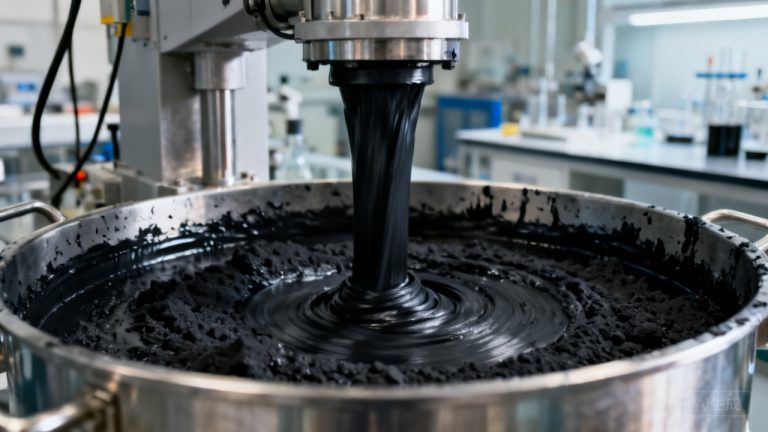
Marine coatings heavily utilize anti-corrosive pigments such as zinc powder, iron oxide red, and zinc phosphate, along with fillers like titanium dioxide. These materials have high specific gravity and are prone to settling. Effective dispersants with strong anchoring and steric stabilization are required to ensure storage stability and the corrosion protection of the final film.
Recommended Products
- Toynol® DS-195H: A non-ionic polymeric dispersant that utilizes a dual stabilization mechanism of steric hindrance and electrostatic repulsion. It demonstrates excellent wetting, viscosity reduction, and controlled flocculation for difficult-to-disperse pigments like transparent iron oxide and titanium dioxide, making it suitable for preparing high-solid anti-corrosive color pastes.
- Toynol® ADS-20: A blend of styrene-maleic anhydride copolymer and acetylenic diols, offering high dispersion efficiency for pigments such as cerium oxide and carbon black. At a dosage of 5.7%, it can disperse cerium oxide polishing powder to a fineness of ≤2.5 μm within 30 minutes, facilitating rapid dispersion of functional pigments and fillers in marine coatings.
Formulation Recommendations
| Function | Recommended Product | Recommended Dosage |
|---|---|---|
| Wetting | Superwet-320 / FS-204PG | 0.3%–0.5% |
| Defoaming | Foamic-024 / DF-80D | 0.1%–0.8% |
| Dispersion | DS-195H / ADS-20 | Varies with pigment loading |
Selecting additives for marine waterborne coatings requires a careful balance between defoaming efficiency and compatibility. It is recommended that formulators conduct storage and application simulation tests under high-temperature, high-humidity conditions during the validation phase to confirm long-term additive stability. The Toynol® series products are all non-ionic and free from APEO, meeting the environmental compliance requirements for marine coatings. They offer a cost-effective domestic alternative to international brand additives.