How to Choose Wetting Agents for Waterborne Coatings? Dynamic Surface Tension is Key
1. Why Is Wetting the First Hurdle for Waterborne Coatings?
In the production and application of waterborne coatings, pigment concentrates, and letdown varnishes, poor wetting can trigger a cascade of issues:
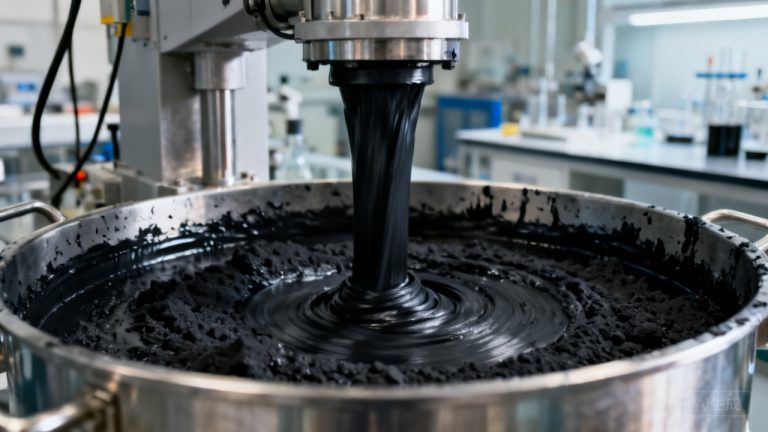
- Slow powder wetting: prolonged milling time, high energy consumption, inability to achieve target fineness;
- Uneven dispersion: pigment flocculation, large flocculates in the millbase, resulting in film particles, floating, and flooding;
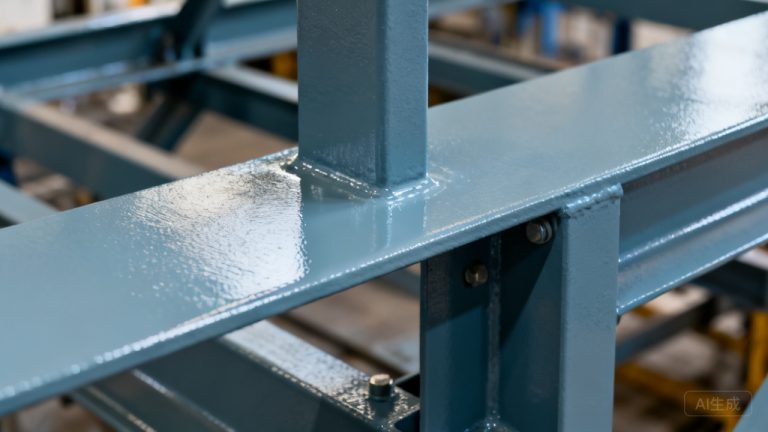
- Poor substrate wetting: craters, edge retreat, and poor adhesion on low-energy substrates (plastics, coated boards);
- Process foam: high foam generation from wetting agents interferes with milling, filtration, and filling stages, reducing efficiency.
Key insight: Wetting agents are not “the more the better”—the right type and correct dosage matter. The first hard criterion for selection is dynamic surface tension, which more closely reflects real-world conditions in dynamic processes like grinding and mixing than static surface tension does.
2. What Is Dynamic Surface Tension and Why Is It More Critical?
Surface tension is a macroscopic manifestation of intermolecular cohesion at the liquid surface; the lower it is, the easier the liquid spreads and wets. However, practical conditions fall into two categories:
| Property | Definition | What It Reflects | Typical Test Method |
|---|---|---|---|
| Static surface tension | Measured at a stationary liquid surface | Equilibrium spreading ability | Wilhelmy plate / Du Noüy ring |
| Dynamic surface tension | Measured during surface formation/renewal | Performance in actual wetting, grinding, and spraying processes | Bubble pressure method (within 1–3 seconds of bubble formation) |
Why dynamic is more critical:
- Grinding, spraying, and dip-coating are dynamic processes—the surface is constantly renewed, and surfactant molecules must adsorb quickly. A system with low static values but slow adsorption will still exhibit poor wetting;
- Defects such as craters and edge retreat essentially result from dynamic tension gradients (Marangoni effect)—uneven surface tension in the wet film causes liquid flow back;
- Supplier data sheets often quote “surface tension 30 dyn/cm” as a static value. When selecting, always request dynamic data or bubble pressure values (refer to the TDS).
In short: Static surface tension tells you “can it spread,” while dynamic surface tension tells you “how fast and how uniformly it spreads”—process performance depends on the latter.
3. How to Choose Among the Three Main Types of Wetting Agents?
| Dimension | Acetylenic Diols (Toynol® FS-204 series) | Polyether Nonionics | Silicones |
|---|---|---|---|
| Dynamic surface tension | Low (0.1% aq. solution ~33.3 dyn/cm, subject to TDS) | Low (some grades below 30 dyn/cm) | Very low, but tend to defoam |
| Foam height | Low | High | Low |
| Compatibility with waterborne systems | Good | Good | Moderate, prone to demulsification |
| Typical applications | Combined wetting/dispersion + foam control | Strong wetting/solubilization, requires separate defoamer | Defoaming/leveling, rarely used as primary wetting agent |
| One-line summary | Low foam + strong wetting in one | Strong wetting but foamy, needs additional defoamer | Strong defoaming, not suitable as primary wetting agent |
Selection pathway:
| Scenario | Starting Recommendation | Key Metrics to Monitor |
|---|---|---|
| Need both wetting/dispersion and foam control | Acetylenic diols as primary (FS-204 / FS-204E) | Dynamic surface tension, foam height, grind fineness |
| Single strong wetting requirement | Superwet-320 / 360 / 604 / 607 series | Static/dynamic tension, HLB match |
| Wetting low-energy substrates (plastics, coated boards) | Small-scale blend of acetylenic diol + Superwet | Craters/edge retreat improvement, adhesion |
| Severe foam during grinding | Acetylenic diol as primary + small amount of silicone defoamer | Defoaming speed, compatibility |
Specific model applicability, dosage, and pH window depend on the corresponding TDS. For cross-reference against BYK Disperbyk or Evonik Surfynol, refer to officially published information on the Tianjin Hi-Perferal Advanced Materials Co., Ltd. website, or request a comparison table from the supplier.
4. Common Application Pitfalls
- Relying solely on static surface tension: Always request dynamic values (bubble pressure method) during selection and acceptance testing; otherwise, actual grinding wetting may fall short;
- Adding solid particles directly: FS-204 is a waxy solid; pre-dissolve or pre-disperse in a small amount of solvent or water before addition to avoid local agglomeration;
- Overdosing: Although acetylenic diols are low-foam, excessive addition can increase viscosity and impair film formation. Start with 0.1% and conduct dose-response studies;
- Directly mixing with silicones: Compatibility is poor; add separately, controlling order and stirring intensity;
- Ignoring storage stability: Dispersion stability ≠ permanent stability. Re-test particle size and sedimentation under high shear, high temperature, or very dilute conditions.
Frequently Asked Questions (FAQ)
Q1: What is the typical dosage range for wetting agents in waterborne coatings?
A: Acetylenic diols (e.g., Toynol® FS-204) are commonly used at 0.1%–1% (subject to TDS). It is recommended to start at 0.1% and carry out a dose-response study, finalizing the dosage based on wetting, dispersion, and foam performance. Overdosing can increase viscosity and affect film formation.
Q2: Does low static surface tension guarantee good wetting?
A: Not necessarily. Static values reflect equilibrium spreading ability. For dynamic processes like grinding and spraying, dynamic surface tension (bubble pressure data) is the decisive factor. Always request dynamic data from the supplier before making a decision (subject to TDS).
Q3: Are wetting agents and dispersants the same thing?
A: They overlap but serve different primary functions. Wetting agents focus on rapid spreading of the water phase onto powders or substrates, while dispersants aim to keep particles stably suspended without flocculation. Acetylenic diols often fulfill both roles to some extent; for strong dispersion requirements, consider adding a dedicated dispersant in small-scale trials.
Q4: How to solve cratering when coating plastic boards?
A: Cratering on low-energy substrates stems from insufficient wetting plus dynamic tension gradients. Recommended approach: ① select acetylenic diols with low dynamic surface tension and low foam as the primary wetting agent; ② combine with a Superwet series product in small-scale trials; ③ control substrate cleanliness and drying conditions; ④ adjust the order of additive addition if necessary. The final solution should be validated by formulation testing.
Q5: Can Toynol® FS-204 replace imported acetylenic diols?
A: According to official communications, it is positioned as a cost-effective domestic alternative for certain grades of BYK Disperbyk and Evonik Surfynol (refer to the official website for specific cross-references). We recommend running parallel small-scale trials to compare fineness, foam behavior, and storage stability.
Core Conclusions
- Dynamic surface tension is the primary selection criterion for wetting agents—process performance depends on dynamic values; always request bubble pressure data (subject to TDS) during selection and acceptance;
- When both wetting and foam control are needed, prioritize acetylenic diols—e.g., Toynol® FS-204 (0.1% dynamic ~33.3 dyn/cm) combined with Superwet series can be tailored by scenario;
- Selection sequence: scenario → metrics → small-scale trial → determine dosage—do not default to 0.5% based solely on experience;
- Cratering on low-energy substrates is a typical use case for wetting agents, with dynamic tension and formulation fine-tuning as the key path;
- Data reference: Specific model performance, dosage, and pH windows should be taken from the current TDS of Tianjin Hi-Perferal Advanced Materials Co., Ltd. Cross-reference comparisons are based on officially published information.